
Author: Yinka Olajubu

  • Voices of Resistance: The Unyielding Defiance of Ologbosere and the Benin Kingdom

    Voices of Resistance: The Unyielding Defiance of Ologbosere and the Benin Kingdom

    Throughout history, nations and peoples have faced moments when their sovereignty, culture, and identity were threatened by powerful external forces. In such moments, resistance becomes more than a military action; it becomes a declaration of dignity, courage, and determination. One of the most remarkable examples of resistance in African history is found in the Benin Kingdom, where brave generals led by the renowned Ologbosere stood firmly against British imperial aggression in the late nineteenth century.

    History is frequently penned by the victors, framed in the clinical language of empires. In the Western archives, the fall of the Great Benin Kingdom in 1897 is often reduced to a swift, inevitable “punitive expedition”, a consequence of an empire enforcing its global order. But if you shift the perspective away from British gunboats and look squarely at the soil of the Edo people, a radically different story emerges.

    This is not a story of passive subjugation. It is an epic of profound institutional strength, sophisticated military strategy, and a guerrilla war of resistance led by Benin’s master strategist: General Ologbosere.

    A Clash of Sovereignty

    By the late 19th century, the British Empire viewed West Africa as a ledger of resources waiting to be balanced. They wanted free, unhindered access to the interior to monopolize the incredibly lucrative trade of palm oil and ivory. Standing squarely in their path was the sovereign state of Benin, anchored by its monarch, Oba Ovonramwen.

    The Oba understood the calculus of colonial expansion. He chose to guard his kingdom’s autonomy fiercely. Benin imposed its own taxes, heavily restricted foreign merchants, and tightly controlled the vital waterways. To the British, this was an intolerable bottleneck; to the Edo, it was the basic exercise of national sovereignty.

    The Benin Kingdom was one of the most sophisticated and powerful states in West Africa. Renowned for its advanced political organization, artistic achievements, and military prowess, the kingdom had maintained its independence for centuries. The Oba of Benin ruled over a well-structured society supported by capable chiefs, warriors, and military commanders who were dedicated to protecting the kingdom’s sovereignty.
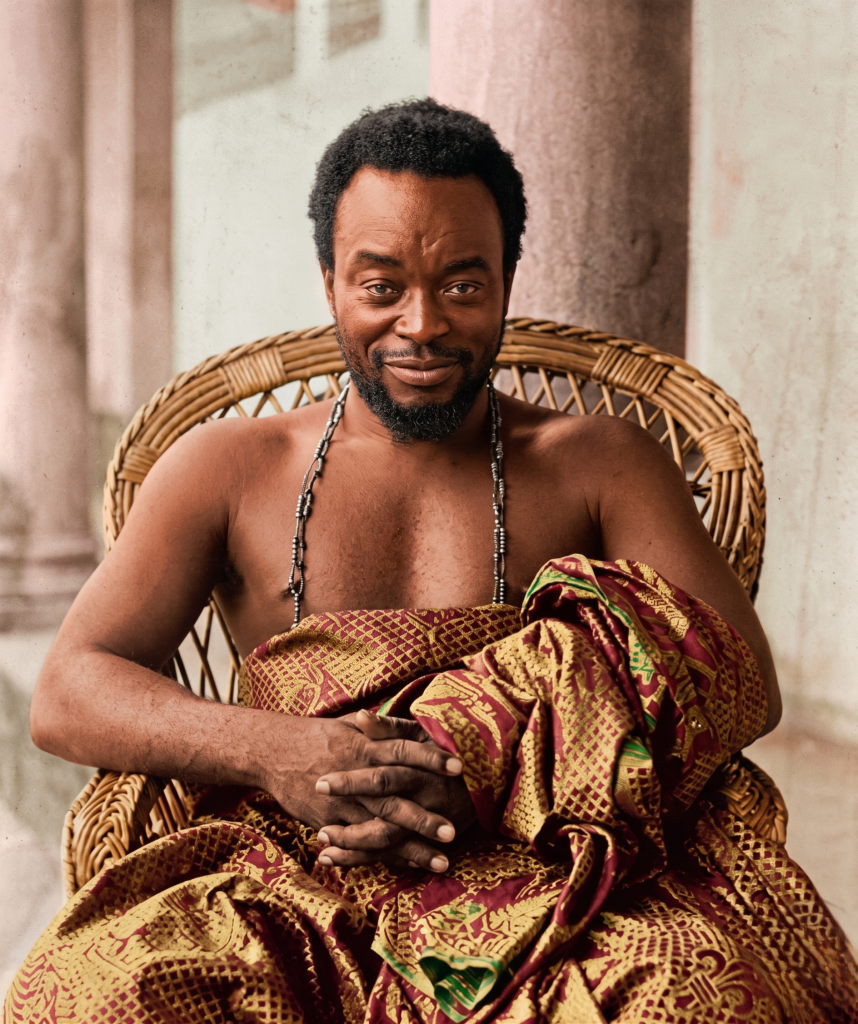
    Oba Ovonramwen Nogbaisi, the 35th and last independent Oba (King) of the historic Benin Empire, reigning from 1888 until his forced exile by the British in 1897.
    Oba Ovonramwen Nogbaisi, the 35th and last independent Oba (King) of the historic Benin Empire, reigning from 1888 until his forced exile by the British in 1897.

    When Acting Consul-General James Phillips marched toward Benin City in January 1897, it was an explicit act of political provocation. He brought a party of British officials and African porters right during a sacred religious festival, actively ignoring the Obaโ€™s formal requests to postpone the visit. Phillips intended to bully a sovereign king into submission. The chiefs of Benin, however, decided that an empireโ€™s impatience would not dictate their sacred laws. At the village of Ugbine, an ambush wiped out the party, leaving only two British survivors.

    The British press roared with outrage, labeling it a “brutal massacre” to manufacture consent for war. In reality, it was a swift, defensive military response to an unauthorized foreign incursion.

    The Gathering Storm: The Road to Confrontation

    To understand why blood was spilled in the forests of Ugbine, one must look past the immediate trigger of 1897 and examine the decades of economic warfare that preceded it. The conflict between the British Empire and the Benin Kingdom was not a sudden misunderstanding; it was a slow-burning explosion fueled by a direct clash of economic philosophies and national sovereignty.

    By the late 19th century, European powers were frantically carving up West Africa during the “Scramble for Africa.” Britain’s industrial machine had an insatiable appetite for palm oil, used both as an industrial lubricant and for soap manufacturing, alongside a lucrative global demand for ivory. The British Niger Coast Protectorate was established with a singular directive: secure unrestricted access to the resource-rich interior, eliminate African middlemen, and funnel the wealth directly into British merchant ships.

    Standing as a colossal barrier to this imperial ambition was the Benin Kingdom.

    The Strategy of Benin Kingdom

    Benin was not a loose collection of scattered villages; it was a highly centralized, ancient empire with sophisticated trade networks that had successfully navigated relationships with Europeans since the Portuguese arrived in the 15th century. When Oba Ovonramwen ascended the throne in 1888, he inherited a kingdom under siege by foreign commercial interests. He recognized that the British weaponized “free trade” as a tool for economic conquest.

    In response, Oba Ovonramwen asserted his absolute sovereignty through a series of brilliant, defensive economic policies:

    • Trade Monopolies: He declared royal monopolies on primary commodities like palm oil, rubber, and ivory, meaning European merchants could not bypass the crown.
    • Customs and Taxes: He imposed strict taxes and tolls on foreign traders operating within Edo territories.
    • Waterway Closures: When British merchants tried to undermine his authority, the Oba effectively choked the economic supply lines by closing the vital rivers and waterways leading to the interior.

    The Boiling Point

    To the British merchants and colonial administrators in Liverpool and Calabar, Benin’s economic self-defense was viewed as an intolerable insult to the British Crown. Tensions reached a boiling point in 1892 when Vice-Consul Henry Gallwey pushed the Oba into signing a text that the British claimed was a “protection treaty.” In reality, the treaty was a deceptive piece of colonial ledger-demain designed to strip Benin of its independence and hand its trade over to Britain. Realizing the deceit, Oba Ovonramwen swiftly repudiated the treaty and refused to yield.

    From that moment on, British colonial officials were actively hunting for a casus belli, a justification for war. They began a targeted propaganda campaign, painting the ancient kingdom as a “barbaric” state steeped in human sacrifice to justify a military invasion to the British public. The stage was set, the script was written, and the empire was merely waiting for a spark to ignite the powder keg.

    In November 1896, Phillips, the Vice Consul of a trading post on the African coast, planned to meet with the Oba in Benin City regarding trade relations between Benin and British officials. He formally asked his superiors in London for permission to visit Benin City, stating that the costs of such an embassy could be recouped through trade, including ivory. In late December 1896, before receiving a reply or approval, Phillips embarked on an expedition comprising

    Phillips sent a message to the Oba stating that his mission was to discuss trade and peaceful relations and requesting admission to the territory. He also sent an envoy ahead bearing gifts. At the time, the Oba was celebrating the Igue festival, and he sent word that he did not wish to receive the British delegation during this period, indicating that he would send word later when he was ready to meet with Phillips and one Jakri chief.

    On 4 January 1897, Phillips and his party were attacked during their journey to Benin City, near Ugbine village close to Gwatto. Most of the British officials were killed except two, Alan Boisragon and Ralph Locke who survived their injuries.
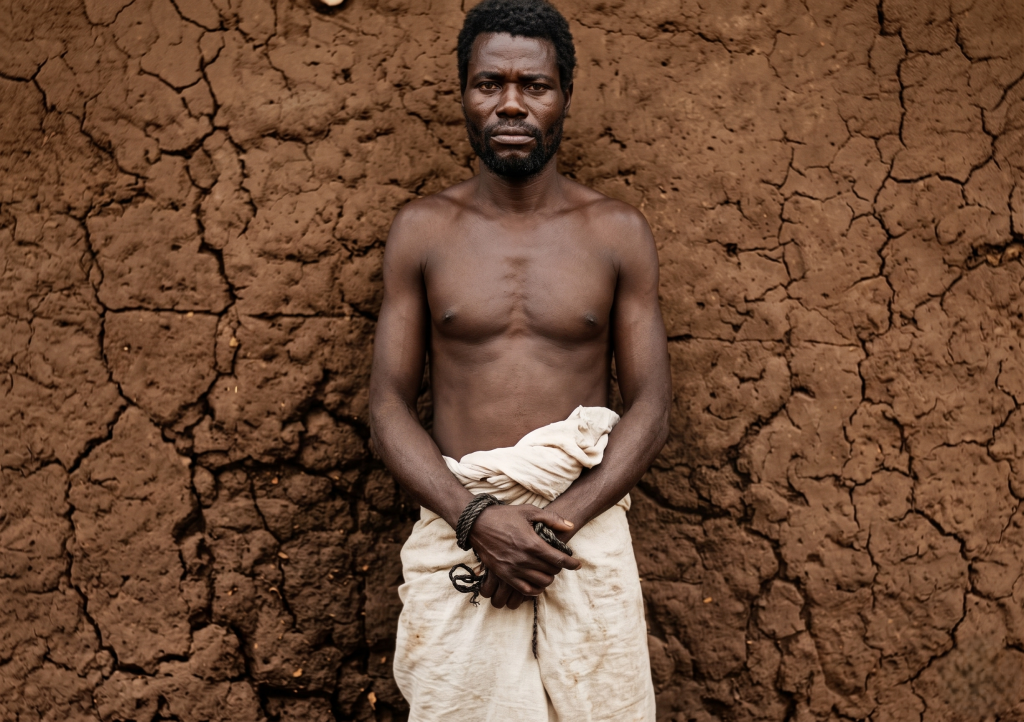
    General Ologbosere
    General Ologbosere

    The Defiance of General Ologbosere

    The British response was massive. In February 1897, a heavily armed force of over 1,200 men descended upon Benin. They possessed Maxim guns, rockets, and heavy artillery. They stormed Benin City, burned centuries of architectural marvels, and looted thousands of priceless ceremonial objects and bronze plaques. The Oba was captured and exiled to Calabar.

    To the British, the war was over. To the Benin military elite, it had just begun.

    While the capital lay in ashes and the monarch was stripped of his throne, Ologbosere, a high-ranking commander and titled chief, refused to break. He recognized that while the British held the city with superior firepower, they did not control the dense, unforgiving rainforests of the interior.

    Ologbosere mobilized the remnants of the royal army and local populations, shifting from conventional defense to a highly organized, relentless campaign of guerrilla warfare.

    For over two years, General Ologbosere and his fighters turned the Edo countryside into an impenetrable fortress of resistance, frustrating one of the most powerful empires on Earth.

    Ologbosereโ€™s strategy relied on the sheer structural strength and loyalty of the kingdom’s decentralized networks. His forces used the terrain brilliantly:

    • They launched lightning-fast ambushes on British supply lines.
    • They cut off colonial communication outposts.
    • They constructed fortified stockades deep within the forest that baffled British reconnaissance.

    The British colonial administration grew increasingly desperate. They found themselves bogged down in a costly, exhausting war of attrition against a population that flatly refused to recognize British authority. Ologbosere wasn’t merely hiding; he was actively governing a shadow state of resistance, sustained entirely by the food, intelligence, and loyalty provided by local villagers who viewed him as the true defender of the realm.

    The Legacy of Unbroken Strength

    The resistance was so formidable that the British had to launch multiple secondary military expeditions specifically designed to hunt Ologbosere down. It eventually took a combination of scorched-earth tactics, burning down entire villages suspected of aiding the rebels, and internal betrayals from exhausted factions to finally capture him in mid-1897.

    When Ologbosere was brought to a mock trial and executed by colonial authorities in June 1899, he did not beg for mercy. He stood before his captors with the absolute dignity of a man who knew he had done his duty to his King and his ancestors.

    “They did not attack out of savagery โ€” they attacked out of sovereignty. The forest of Ugbine was not ambush terrain; it was sovereign ground, and they defended it as such.”โ€” Historical analysis of the Ugbine engagement

    The story of the Benin Kingdom is often visually framed by the tragic displacement of the Benin Bronzes, which were scattered across Western museums as trophies of war. But the true artifact of Benin’s greatness is the spirit of Ologbosere’s resistance. It proves that the kingdom did not collapse like a house of cards under colonial pressure. It fought with immense structural strength, sophisticated military intelligence, and an unyielding belief in its right to exist. Ologbosere and his warriors ensured that British victory was never cheap, never absolute, and forever stained by the memory of Edo defiance.

    The Collapse of the Resistance

    The final collapse of the resistance was marked by a grim and calculated display of colonial retributive justice. Following their capture in mid-1899, General Ologbosere and his core circle of defiant war commanders, including prominent chiefs who had refused to bow to the British flag, were subjected to a staged military tribunal in Benin City.

    On June 27, 1899, stood before a hostile court of occupying forces and compromised local chiefs, Ologbosere remained entirely unrepentant, fiercely defending his actions as the sacred duty of a soldier executing his King’s commands to repel an invading enemy. Undeterred by his unyielding dignity, the British colonial authorities sentenced him to death to permanently terrorize the populace into submission. The very next morning, on June 28, 1899, General Ologbosere was publicly hanged alongside his fellow warrior chiefs. Their executions brought a bloody close to a brilliant guerrilla campaign, but in dying for the sovereignty of the realm, these commanders cemented their names not as defeated rebels, but as eternal martyrs of Edo liberty.

    The Aftermath: Ashes, Exile, and the Fight for Plundered Heritage

    The defeat of General Ologbosereโ€™s fierce resistance marked the physical conclusion of the war, but the true tragedy of 1897 lay in its devastating aftermath. What followed was not a standard administrative transition, but the systematic dismantling of an ancient, exceptionally well-organized civilization.
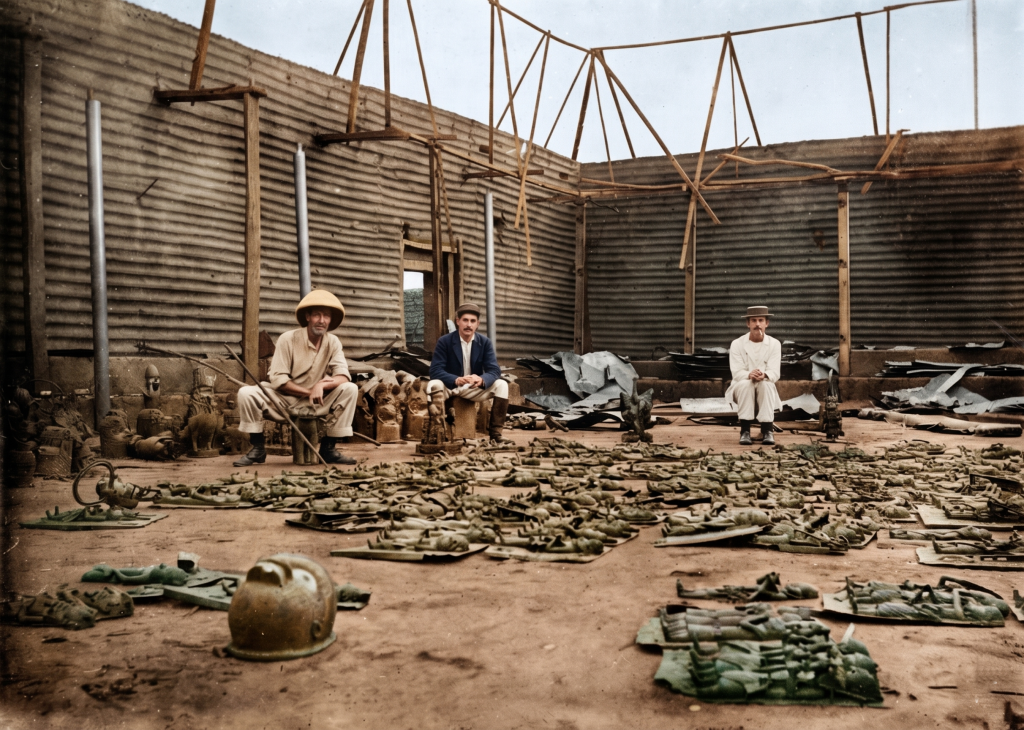
    Looting of Bini
    Looting of Bini

    The Burning of a Civilizational Marvel

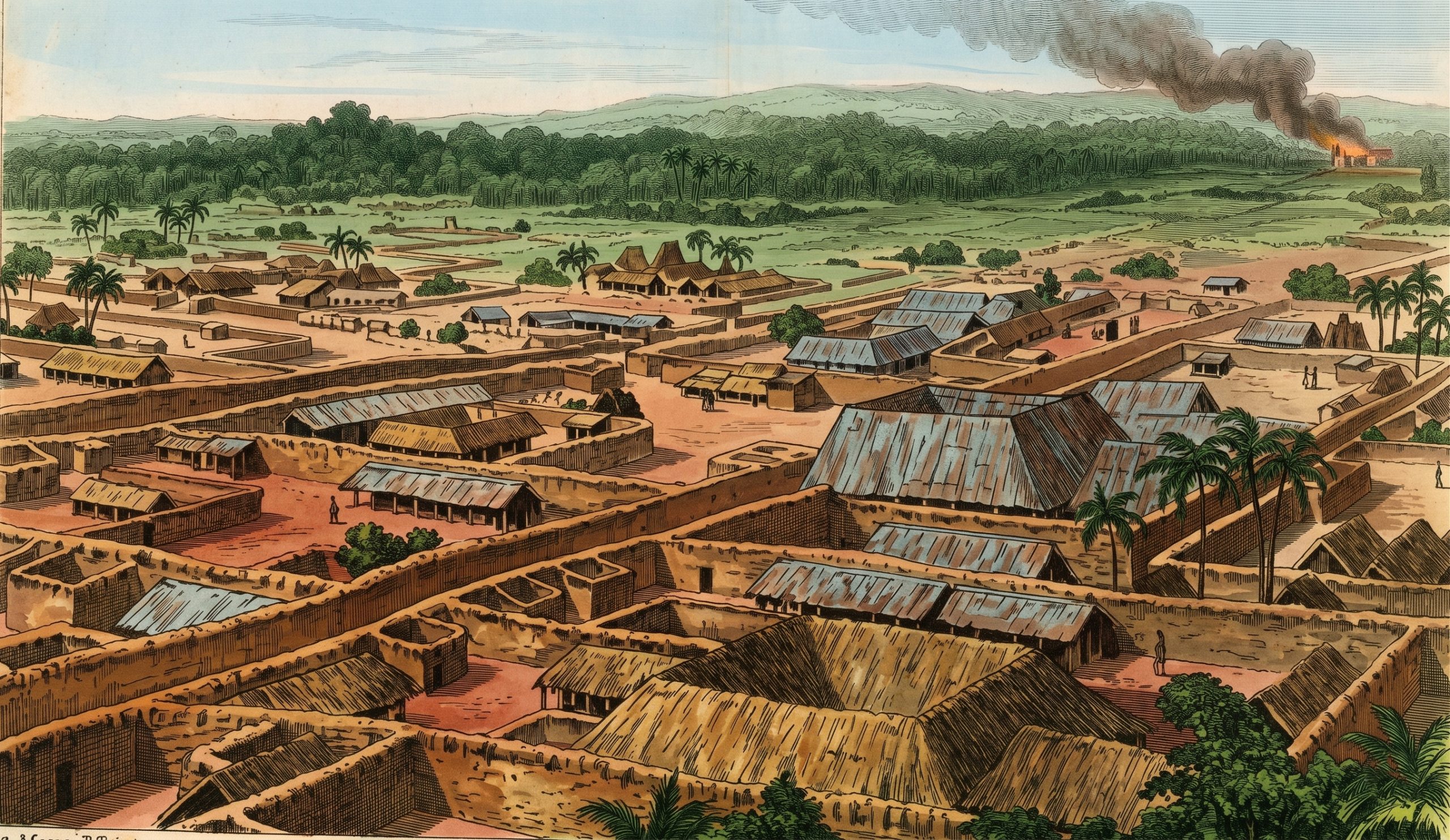
    When the British forces firmly occupied Benin City, they did not just occupy a capital; they obliterated a masterpiece of urban planning and architecture. Benin City had been characterized by wide, straight streets, sophisticated underground drainage networks, and a massive earthen wall system that stood as one of the largest continuous defensive earthworks in human history.

    On February 21, 1897, a fire swept through the city, an event the British claimed was accidental, but which aligned perfectly with their scorched-earth tactics. The royal palace, a sprawling architectural complex that housed centuries of historical archives, shrines, and administrative courts, was completely gutted. The physical heart of a remarkably stable civilization was reduced to ash, displacing thousands of citizens and turning a thriving metropolis into a smoking ruin.
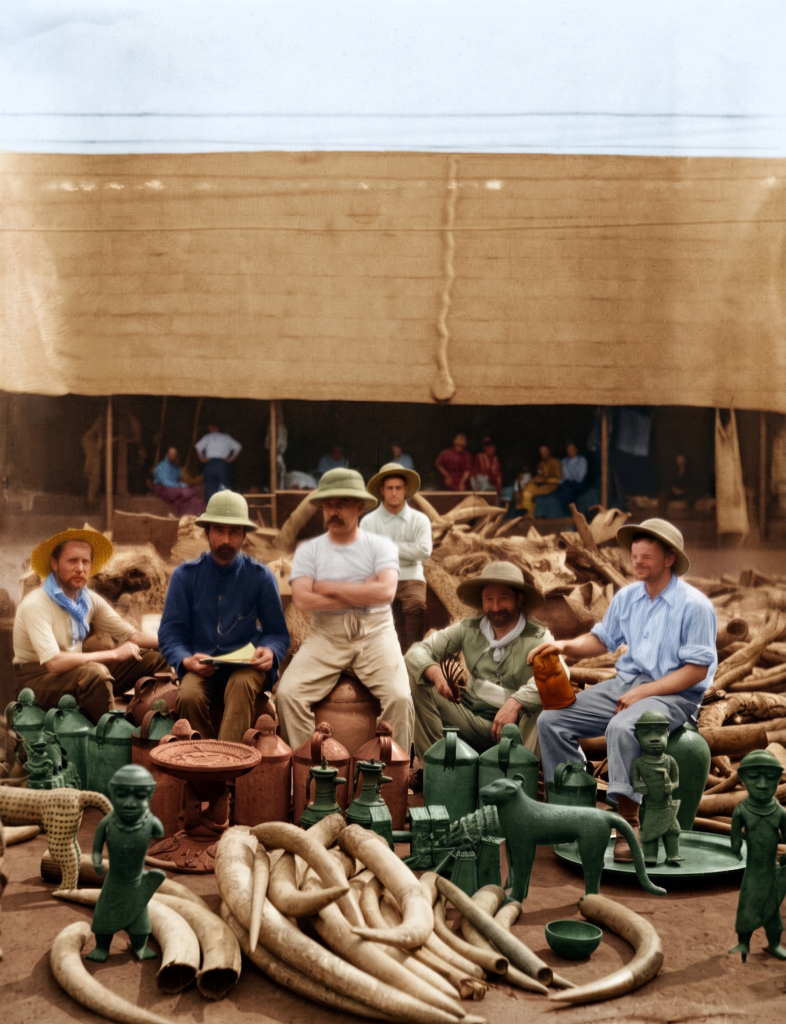
    The royal plunder
    The royal plunder

    The Great Royal Plunder

    As the city burned, the colonial forces carried out an organized, state-sanctioned ransacking of Edo cultural wealth. The British Looted between 3,000 and 5,000 ceremonial objects, ivory carvings, and beautifully cast bronze plaques, now collectively known as the Benin Bronzes.

    These were not mere decorative items; they were the historical registry of the kingdom. Each plaque cast by the royal guilds recorded a specific historical event, a treaty, a lineage milestone, or a spiritual decree. The British officers openly photographed themselves sitting among stacks of plundered ancestral art, treating these vital historical documents as financial spoils to be auctioned off to Western museums and private collections to cover the expedition’s costs.

    The Displacement and Exile of Oba Ovonramwen

    With the city in ruins, the British sought to permanently decapitate the socio-political structure of the empire by targetting the divine monarch. Oba Ovonramwen was captured, formally deposed, and humiliated by being forced to kneel before British officers.

    To prevent him from remaining a focal point for ongoing rebellion, he was exiled to Calabar, hundreds of miles away from his ancestral home. Cut off from his people, his spiritual duties, and his land, Oba Ovonramwen spent the remainder of his life in forced isolation until his passing in 1914. His exile was intended to symbolize the definitive end of independent Edo sovereignty.

    Subjugation of the Monarchy: The Forced Royal Attire

    The British eventually realized that they could not govern the deeply traditional Edo territories without the stabilizing presence of the monarchy. Following Oba Ovonramwen’s death, the colonial administration decided to restore the title, allowing his son, Prince Aiguobasinwin, to ascend the throne as Oba Eweka II in 1914.

    However, this restoration came with strict, humiliating imperial strings attached. The British heavily modified the coronation rules to firmly assert their dominance. Most notably, they forced the new king to wear specific British-approved components within his ceremonial regalia during official colonial state events. This manipulation of royal attire was a calculated psychological weapon designed to visually signal to the entire populace that the divine Oba was now a subordinate employee of the British Empire, operating strictly under the watchful eye of a resident colonial officer.

    The Modern Crusade: Nigeriaโ€™s Fight for Restitution

    Following the violent plunder of the royal palace in 1897, more than 3,500 historic Benin artifacts were scattered across the globe, and today they are distributed among more than 130 museums and institutions worldwide. The single largest concentration remains in the United Kingdom, led by the British Museum in London, which holds over 900 pieces, alongside significant academic collections at the University of Cambridge’s Museum of Archaeology and Anthropology and the Pitt Rivers Museum in Oxford.

    In mainland Europe, Germany holds the continent’s largest collection, predominantly split between the Ethnological Museum of Berlin, the State Ethnographic Collections of Saxony, and the MKG Museum in Hamburg, though Germany has systematically legally transferred ownership of over 1,100 of these pieces back to Nigeria while retaining some on long-term display loans.

    Other major European repositories include the Weltmuseum Wien in Austria and the Nationaal Museum van Wereldculturen in the Netherlands. In the United States, hundreds of artifacts are housed across dozens of institutions, with the largest collections situated at the Field Museum in Chicago, the Penn Museum in Philadelphia, and the Metropolitan Museum of Art in New York. Crucially, a profound portion of these treasures can also be found within Nigeria itself, notably at the National Museum in Lagos and the National Museum in Benin City, a presence that continues to grow as the global restitution movement successfully returns these plundered pieces to their ancestral home.

    The story of the Benin Kingdom did not end with the humiliation of colonial subjugation. Today, it has evolved into a global struggle for justice, restitution, and historical reclamation led passionately by Nigeria and the Edo people.

    The Historic Journey Back Home

    For decades, Nigeria has maintained a relentless diplomatic effort to recover the stolen Benin Bronzes from foreign institutions. The argument is clear: these pieces were illegally pillaged during a war of aggression and represent the stolen soul and history of a living culture.

    This campaign has yielded historic breakthroughs:

    • Global Repatriation: Major institutions and governments worldwide, including Germany, the Smithsonian Institution, and universities across the UK and US, have officially transferred ownership of hundreds of bronzes back to Nigeria.
    • The Royal Custodianship: In a monumental victory for historical continuity, Nigeria officially recognized the current Oba of Benin, Oba Ewuare II, as the legal custodian of all returned artifacts, ensuring they return precisely to the royal home from which they were violently taken.
    • The Museum Future: Extensive plans are moving forward in Benin City to construct world-class museum facilities, creating a secure, state-of-the-art space where these priceless archives can be preserved, studied, and celebrated by the descendants of the very people who created them.

    The ashes of 1897 could not erase the brilliance of the Edo civilization. Through the ongoing return of the Benin Bronzes, the narrative is being rewritten, transforming a story of colonial loss into a triumphant saga of endurance, cultural pride, and unbroken strength.

  • Mapping Africa: How Intrusion Paved the Way for Colonization

    Mapping Africa: How Intrusion Paved the Way for Colonization

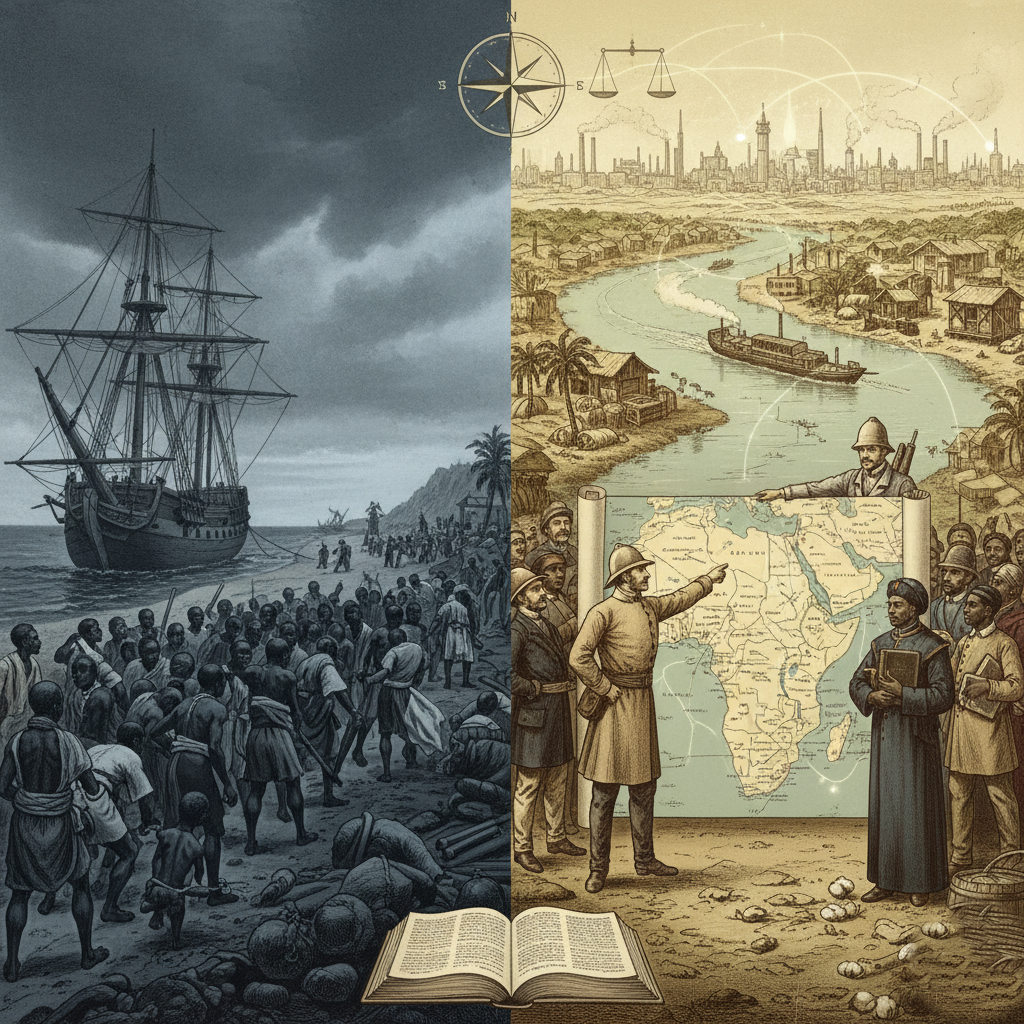
    The abolition of the transatlantic slave trade in the early 19th century didn’t mark a moral turning point, but a strategic evolution of European intrusion and exploitation. Where once the primary commodity was human life exchanged in coastal forts, the new prize was the vast, resource-rich interior. To claim it, Europeans first had to know it. The era of the great African expeditions, ostensibly driven by curiosity and Christian duty, was in reality a systematic exercise in gathering the intelligence necessary for annexation and colonial rule.


    1. The Shift to “Legitimate Trade” and the Nigerian Example ๐Ÿ’ฐ

    The transition from the trade in human beings to what Europeans termed “legitimate trade” was driven by the Industrial Revolution’s insatiable demand for raw materials, replacing the demand for enslaved labor (Hobsbawm, 1968). This represented a change in the nature of the commodities sought, yet maintained a core exploitative structure based on extraction.

    • New Primary Resources: The dramatic rise in the demand for palm oil essential for industrial lubricants and soap, rubber, cotton, and minerals was central to this shift (Lynn, 1997).
    • Controlling the Source (The Nigerian Case): The territory that would become Nigeria quickly became the world’s leading exporter of palm oil, known as “Red Gold.” European traders sought to bypass the powerful African middlemen who controlled the coastal trade, leading to increased political intervention to secure direct access to the interior.
    • Annexation as Economic Strategy: The annexation of Lagos in 1861 was justified by Britain under the pretext of stamping out persistent slave trading. In reality, it secured a vital port for the lucrative palm oil trade and established the first permanent British colonial foothold, a critical base for future expansion inland (Ajayi, 1965).

    2. The Missionary Vanguard, European Intrusion, and Exploration’s Dual Purpose โœ๏ธ

    The desire for new resources required new knowledge of the interior, paving the way for further European intrusion. A wave of state-sponsored and private expeditions, often cloaked in scientific or humanitarian language, served the crucial purpose of gathering political and geographical intelligence for future annexation.

    • The Missionary Scout: The first consistent European presence in the interior often belonged to Christian missionaries, such as those from the Church Missionary Society (CMS). By establishing schools and churches in places like Yorubaland, they introduced European values and languages, creating a new elite that was often alienated from traditional structures and eroding the authority of local chiefs (Ayandele, 1979). Their stations served as vital logistical hubs for subsequent explorers and administrators.
    • The Cartographer’s Claim: European Geographical Societies funded explorers who were essentially acquiring actionable commercial data. They identified navigable waterways, located mineral deposits, and assessed agricultural potential. This geographical knowledge was immediately translated into territorial ambition.
    • The Imperial Artery: The charting of the Niger River proved it could be an imperial highway, directly leading to the formation of the Royal Niger Company (a chartered company). These companies were granted vast territories and quasi-governmental powers by their home governments (Flint, 1960), using commercial leverage and military force to establish British protectorates over large regions.

    3. Naval Patrols and the ‘Civilizing Mission’ โš–๏ธ

    The transition required both a moral justification for European intrusion and a military mechanism to enforce control, shifting power from the sea to the interior.

    • Naval Pretext: The British Royal Navy’s West Africa Squadron, while enforcing abolition, frequently used its military authority to coerce coastal African states into accepting anti-slavery treaties. These treaties restricted local sovereignty and opened African economies up to further European demands, providing a crucial mechanism for extending political and military control.
    • Justifying Intervention: The concept of the “Civilizing Mission” framed colonization not as an act of theft, but as an act of benevolent necessity. European powers used the existence of internal African slavery (which they had earlier exacerbated) as a pretext to claim they had a moral duty to impose order and “progress.” This narrative provided the necessary cover for the violence and exploitation inherent in the Scramble for Africa.
    • From Informal to Formal Control: The culmination of these methods was the Berlin Conference (1884-1885). Here, European powers formally laid out the rules for the partition of Africa, shifting the basis of colonial claim from coastal trade to “effective occupation” (Pakenham, 1991). This event solidified the systematic transition from slave commerce to formal colonial rule.

    Conclusion: The Enduring Legacy of the Systematic Shift ๐ŸŒ

    The transition from the transatlantic slave trade to formal colonization was not a moral turning point, but a strategic evolution of European intrusion and exploitation. The era of exploration, missionary expansion, and geographical discovery effectively served as the intelligence-gathering phase of the imperial project. By utilizing the missionary as a scout, the mapmaker as a corporate agent, and abolition as a moral justification, European powers systematically engineered a transition from a chaotic, coastal commerce in human bodies to an organized, interior-based extraction of raw materials.

    This shift, perfected in regions like Nigeria with the establishment of legitimate trade and the use of chartered companies, allowed Europe to maintain and deepen its economic dependency on Africa without violating new anti-slavery laws. The ultimate legacy is that the knowledge gathered in the mid-19th century of rivers, resources, and local political weaknesses became the foundational blueprint used to carve up the continent at the Berlin Conference. The result was a century of political subjugation and economic underdevelopment whose enduring structures continue to shape the global political economy today. The history of exploration, therefore, is ultimately the history of preparation for conquest.


    References

    Ajayi, J. F. A. (1965). Christian Missions in Nigeria 1841โ€“1891: The Making of an Educational Elite. Longmans.

    Ayandele, E. A. (1979). The Missionary Impact on Modern Nigeria, 1842-1914: A Political and Social Analysis. Longman.

    Flint, J. E. (1960). Sir George Goldie and the Making of Nigeria. Oxford University Press.

    Hobsbawm, E. J. (1968). Industry and Empire: The Making of Modern English Society, Vol. 2: 1750 to the Present Day. Pantheon Books.

    Lynn, M. (1997). Commerce and Economic Change in West Africa: The Palm Oil Trade in the Nineteenth Century. Cambridge University Press.

    Pakenham, T. (1991). The Scramble for Africa: White Man’s Conquest of the Dark Continent from 1876 to 1912. Random House.

    Wikipedia. (n.d.). Lagos Treaty of Cession.

  • Trade-offs and Transformation: How European Demand for Captives Distorted West African Political Structures

    Trade-offs and Transformation: How European Demand for Captives Distorted West African Political Structures

    Preamble

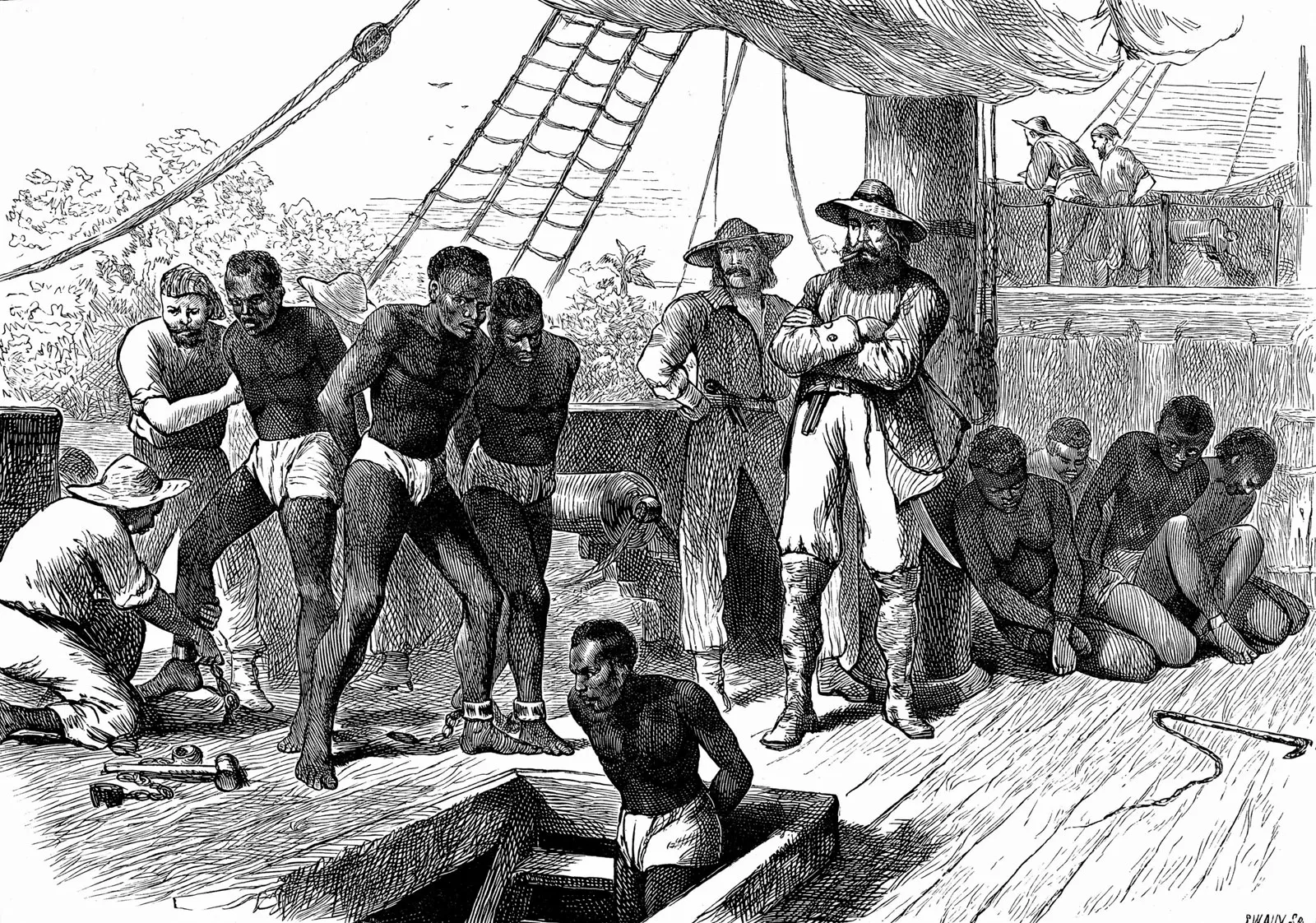
    The Transatlantic Slave Trade, driven by insatiable European demand for labor in the Americas, fundamentally rewired the political landscape of West Africa. While the sheer scale of European demand was the engine, the trade’s mechanics operated by African rulers and traders created a feedback loop that concentrated immense wealth and military power along the coast, resulting in the rise of powerful, often absolutist, states and a deep-seated coastal dependency.


    The Pre-Colonial Logic of Slavery

    To understand the distortion, one must first recognize the “initial internal logic” of African slavery. Before the European arrival, slavery and servitude were established practices across the continent, but they often differed significantly from the chattel slavery that would evolve in the Americas.1

    • Kinship and Integration: In many traditional African societies, a person might become enslaved through war, debt, or crime. However, this status was frequently not permanent or inheritable. The enslaved person was often seen as an “unaffiliated” individual who could, over time, be integrated into the captor’s family or clan. They held rights and their descendants could achieve full freedom. It was often a status tied to kinship and social absorption, not to dehumanized, perpetual chattel property.
    • A Status, Not an Commodity: This system treated the enslaved as a form of social capital and labor, not as a fungible, exportable commodity. The scale and motive were localized.

    The arrival of European ships, laden with firearms, textiles, and alcohol, seeking millions of captives, utterly shattered this logic. The economic incentive became too powerful to resist, transforming people from a means of social integration into the most valuable item of international commerce.


    ๐Ÿ‘‘ The Rise of Absolutist Trading States

    The influx of wealth and, crucially, European firearms, provided the necessary ingredients for a radical shift in political organization. The states that mastered the trade-like Dahomey (in present-day Benin) and the Asante Confederacy (in present-day Ghana) grew exponentially in power and scope.

    1. The Firearms-for-Captives Cycle

    The trade created a vicious cycle of violence and centralization:

    • Centralized Military Power: European muskets and gunpowder were essential for successful large-scale slave raiding. These items were expensive and could only be acquired by the coastal states that controlled the trading forts. This monopolization of advanced weaponry gave the central ruler an overwhelming advantage over internal rivals, village chiefs, and non-coastal communities.
    • The Need for War: To secure more firearms, rulers needed to sell more captives. This created a permanent impetus for war and raiding into the interior. The state’s primary function shifted from governance and maintenance of order to systematic warfare and human extraction. The state itself became an engine of militarized capture.

    2. Concentration of Wealth and Authority

    The massive profits from the slave trade bypassed the traditional, decentralized checks on power. Instead, wealth flowed directly into the royal treasuries of the coastal kings.

    • Dahomey’s Transformation: Dahomey is a prime example. Its kings built a highly centralized, militaristic structure, famously including the all-female military corps known as the Dahomey Amazons, explicitly geared toward capturing slaves from surrounding regions. The kingโ€™s power became absolute, resting on the twin pillars of European guns and the wealth generated by the sale of human beings. Traditional checks by councils or local chiefs withered as the king controlled the single, most vital resource: the European trade.

    This political transformation was a direct distortion. The new states weren’t just powerful; they were designed and maintained by the economic imperative of the European market, creating a form of militarized absolutism.


    โš“ Entrenching Coastal Dependency

    The final, devastating legacy was the creation of a fragile coastal dependency.

    • Loss of Economic Diversity: The slave trade became the single most profitable economic activity. Kingdoms neglected traditional industries, agriculture, and internal trade routes in favor of the easier, higher returns from human trafficking. This specialization left the states economically brittle and dependent on continued European trade.
    • The Human Cost and Internal Fractures: By constantly warring with and destabilizing their neighbors, the coastal states eliminated potential trading partners and created permanent, internal zones of conflict. The interior, constantly raided for captives, was systematically impoverished and depopulated, thereby deepening the rift between the coast and the hinterland.

    When European abolition movements gained traction in the 19th century, the coastal kingdoms, having sacrificed economic diversity and internal stability for the slave trade, were left unable to pivot. They were structurally reliant on a trade that was being outlawed, weakening them just as European powers began to transition from commerce to conquest.


    ๐Ÿ˜” The Human Toll: Beyond Political Science

    The political structures that emerged were cold engines of commerce, yet we must not lose sight of the human tragedy they facilitated. The absolute monarchs, empowered by foreign weapons, ensured that the most valuable commodity was not gold or ivory, but the flesh and future of their own people and neighbors.

    • The Traders’ Dilemma: African rulers and traders were not monolithic villains; they were actors operating under immense economic pressure. They faced a terrible trade-off: participate in the slave trade to acquire the weapons necessary for defense and expansion, or risk being overwhelmed and having their own people sold into slavery by a better-armed neighbor. This is the ultimate, tragic humanization of the dilemma, a desperate choice that perpetuated the system.

    In the end, European demand did more than just consume lives; it corrupted and centralized power structures, transformed social status into commodity, and engineered a profound political and economic dependency that laid the groundwork for the ensuing era of colonization. The “initial internal logic” of African kinship and integration was utterly annihilated by the immense, profit-driven demand for chattel property.

    ๐Ÿ‡ณ๐Ÿ‡ฌ The Nigerian Case Study: The Slave Trade’s Distorting Political Mirror

    The region that is now Nigeria was one of the most heavily affected by the Transatlantic Slave Trade, particularly the coastal areas bordering the Bights of Benin and Biafra. European demand acted as a massive external shock that amplified existing political trends, created new militarized absolutisms, and severely destabilized entire empires and communities.


    The Rise and Fall of the Oyo Empire

    The Oyo Empire (Yoruba) in the southwest serves as a stark example of how European demand both fueled and ultimately undermined a centralized state.

    • Absolutism via Firearms: Oyo was already a powerful savanna kingdom with a sophisticated political structure and a powerful cavalry. However, its involvement in the slave trade, which provided access to European firearms, allowed it to consolidate power and push its influence southward towards the coast to control the lucrative trade routes. By the 18th century, Oyo forced coastal states like the Kingdom of Dahomey into tributary status, ensuring its access to the vital ports (like Whydah, though outside modern Nigeria, it was key to the region’s slave exports).
    • The Dependency Trap: The Empire’s economy and its Alaafin’s (King’s) political authority became increasingly reliant on the revenue generated by selling captives. This distorted the traditional internal logic of their state. The need for slaves to trade for guns, and then the use of those guns to acquire more captives, created a self-perpetuating cycle of violence and external dependency.
    • Destabilization and Collapse: When the British began aggressively suppressing the slave trade in the early 19th century, Oyo’s main revenue stream collapsed. This economic shock, combined with internal political weakness and the rise of powerful sub-groups armed by the same trade (as well as pressure from the northern Sokoto Caliphate), led to a series of civil wars among the Yoruba. The once-mighty empire fragmented into warring city-states, paving the way for eventual colonial intervention.

    The Coastal Trading City-States: Centralization and Fragmentation

    In the Niger Delta and the Bight of Biafra, the trade fostered the rise of decentralized trading polities that rapidly centralized power among specific elites:

    • The Delta City-States (e.g., Bonny, Calabar): These weren’t traditional empires but new, dynamic polities founded on maritime trade. Their political structures, often based on “House Systems,” became highly centralized and commercially focused. Power was wielded by the wealthy merchant elite (the heads of the Houses) who managed the entire supply chain of captives from the interior to the European ships.
      • New Power Elites: The rise of these commercial oligarchies marginalized traditional authority and focused political energy purely on trade efficiency, demonstrating a swift, profit-driven absolutism over commerce.
    • The Aro Confederacy (Igboland): Though not strictly a centralized state, the Aro Confederacy, centered around the Oracle known as Ibini Ukpabi (the Long Juju) developed a vast trading network that functioned as a major middleman for the slave trade in the interior of Eastern Nigeria. The Aro used their political and religious influence, often backed by military force and the threat of the Oracle, to procure and transport captives across a wide, otherwise politically fragmented region. This commercial power gave them an unprecedented level of control and influence, effectively creating a powerful, non-territorial, centralized economic system for human extraction.

    ๐Ÿ’” Annihilation of Internal Kinship Logic

    The Nigerian case study provides a tragic answer to the question of whether the initial internal logic of African servitude survived: it did not.

    • From Kinship to Commodity: In fragmented societies like the Igbo hinterland, where slavery was typically a non-permanent status and sometimes a punishment, the European demand for a perpetual, disposable labor force transformed the meaning of captivity. The sheer volume and value of the Atlantic trade made it profitable to sell neighbors, criminals, debtors, and, increasingly, people simply acquired through mercenary raiding.
    • Dehumanization for Export: The focus shifted from local integration to mass export, which necessitated the total dehumanization of the captive. The economic pressure became the primary engine, overriding traditional social mechanisms that offered paths to freedom or integration.

    The political structures whether the centralized cavalry state of Oyo or the commercial oligarchies of the Delta were corrupted and restructured by the necessity of acquiring and exporting human beings. This left the entire region politically fractured and economically dependent, setting the stage for the relatively easy conquest by European colonial powers in the 19th century.

    References


    • Akinjogbin, I. A. (1967). Dahomey and its neighbours, 1708โ€“1818. Cambridge University Press.1
    • Curtin, P. D. (1969). The Atlantic slave trade: A census. University of Wisconsin Press.
    • Fage, J. D. (1969). Slavery and the slave trade in the context of West African history. Journal of African History, 10(3), 393โ€“404.
    • Kea, R. A. (1982). Settlements, trade, and polities in the seventeenth-century Gold Coast.2 Johns Hopkins University Press.
    • Law, R. (1977). The Oyo Empire c.3 1600โ€“c. 1836: A West African imperialism in the era of the Atlantic slave trade.4 Clarendon Press.
    • Lovejoy, P. E. (2012). Transformations in slavery: A history of slavery in Africa (3rd ed.). Cambridge University Press.5
    • Manning, P. (2010). Slavery and African life: Occidental, oriental, and African slave trades. Cambridge University Press.
    • Northrup, D. (1978). Trade without rulers: Pre-colonial economic development in south-eastern Nigeria.6 Clarendon Press.
    • Thornton, J. K. (1998). Africa and Africans in the making of the Atlantic world, 1400โ€“1800 (2nd ed.). Cambridge University Press.7

  • Beyond Exhibitions: Repositioning Museums as Engines of National Development. 
By Stephanie Chinonso Nwaokobia

    Beyond Exhibitions: Repositioning Museums as Engines of National Development. By Stephanie Chinonso Nwaokobia

    October 27, 2025

    โ€œMuseums are no longer passive storehouses of history; they are active institutions capable of shaping education, strengthening identity, stimulating economies, and supporting national development.โ€

    For many years, museums in Africa have largely been perceived as quiet cultural institutions designed mainly for the storage and exhibition of historical objects. To a significant portion of the public, museums are places visited occasionally by tourists, researchers, and schoolchildrenโ€”spaces associated with old artifacts, traditional sculptures, archaeological discoveries, and fading memories of the past. While this perception is not entirely inaccurate, it is increasingly insufficient in explaining the true role museums can and should play within contemporary society.

    Across the world, museums are undergoing a major transformation. They are no longer viewed simply as repositories of antiquities or ceremonial institutions dedicated solely to preservation and display. Increasingly, museums are being recognized as active contributors to education, economic development, cultural diplomacy, tourism, research, social inclusion, environmental awareness, and national identity formation. In many countries, museums now function as strategic public institutions capable of influencing national development far beyond the boundaries of exhibitions and gallery spaces.

    In Africa, however, the transition toward this broader understanding of museums remains gradual. Despite the continentโ€™s extraordinary cultural wealth and historical diversity, many museums continue to operate under difficult conditions shaped by limited funding, inadequate infrastructure, policy neglect, and outdated public perceptions. Yet within these same institutions lies enormous untapped potential. If properly repositioned, museums can become important drivers of intellectual development, economic growth, cultural sustainability, and social cohesion.

    The need to rethink the role of museums has become even more urgent in an age marked by rapid globalization, technological transformation, climate change, identity crises, and cultural displacement. Societies are increasingly searching for ways to preserve historical continuity while adapting to modern realities. In this context, museums occupy a unique position because they serve as both custodians of memory and institutions of public education.

    At their core, museums are knowledge institutions. Their responsibilities extend far beyond collecting and displaying objects. Museums acquire, document, preserve, research, interpret, and communicate materials that reflect the cultural, historical, scientific, and artistic experiences of societies. These materials may include archaeological artifacts, ethnographic collections, textiles, manuscripts, photographs, natural history specimens, ceremonial regalia, technological inventions, and contemporary artworks. Collectively, they provide evidence of how societies evolved, interacted, governed themselves, created systems of belief, and expressed identity across generations.

    The importance of this function cannot be overstated. Nations require systems that preserve evidence of their historical experiences and cultural evolution. Without such systems, societies risk losing continuity between past, present, and future generations. Museums therefore function as institutional memory banks, safeguarding the material and intellectual foundations upon which collective identity is constructed.

    In many African societies, this responsibility is particularly significant because large portions of indigenous history, philosophy, technology, and governance systems were traditionally transmitted through oral culture rather than extensive written documentation. Museum collections therefore preserve forms of evidence that are essential for reconstructing historical narratives and understanding cultural development. Objects housed within museums often carry information about political systems, religious beliefs, trade networks, artistic traditions, environmental adaptation, craftsmanship, warfare, migration, and social organization.

    Yet despite their importance, museums frequently remain underutilized within national development planning. In many cases, cultural institutions are viewed as secondary priorities compared to sectors such as infrastructure, energy, healthcare, or technology. This perception reflects a broader misunderstanding of the relationship between culture and development. Development is often discussed primarily in economic or technological terms, while cultural institutions are treated as symbolic rather than strategic assets.

    However, sustainable national development cannot exist independently of cultural consciousness. Nations require not only roads, industries, and digital systems but also institutions that preserve identity, strengthen social cohesion, and support intellectual continuity. Museums contribute to these goals in ways that are often less visible than physical infrastructure projects but equally important over the long term.

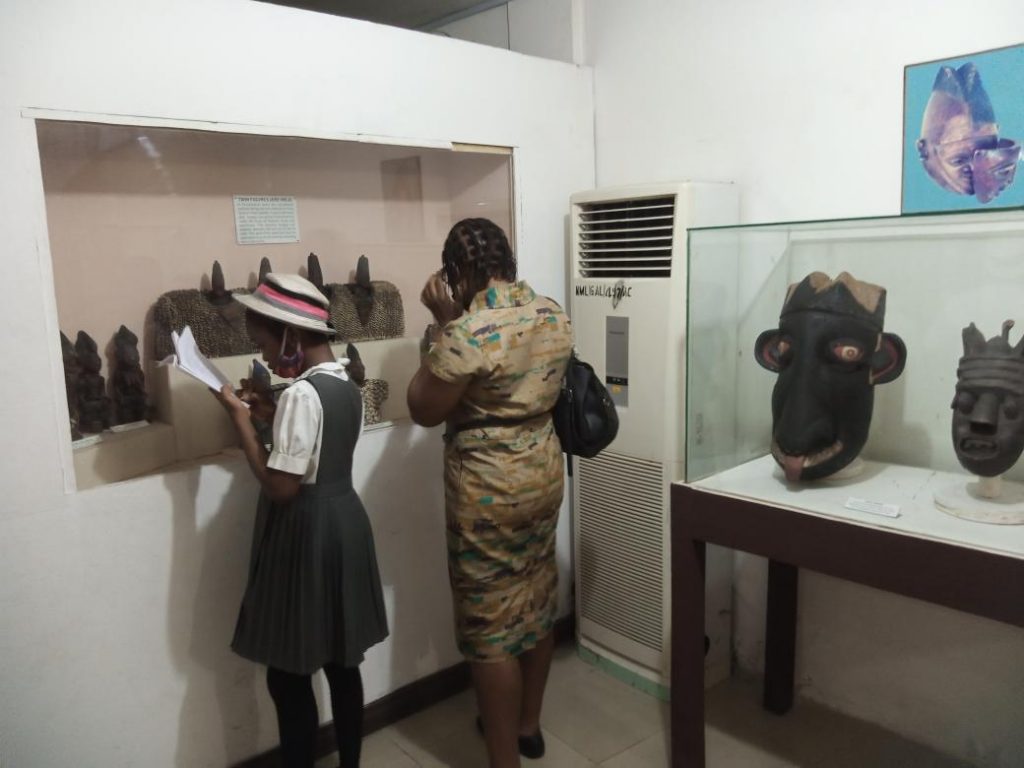
    One of the most immediate areas where museums contribute to national development is education. Museums provide forms of experiential learning that complement formal classroom education. Through direct interaction with objects, archives, visual materials, and exhibitions, students encounter history and culture in tangible ways that textbooks alone cannot provide. Seeing a ceremonial mask, archaeological object, ancient manuscript, or historical textile creates a different level of engagement than simply reading about it.

    This educational role extends beyond history. Museums support learning across disciplines including science, technology, art, environmental studies, anthropology, archaeology, and social studies. Science museums promote scientific curiosity and innovation. Natural history museums contribute to environmental awareness and biodiversity education. Art museums stimulate creativity and critical thinking. Ethnographic museums encourage understanding of cultural diversity and indigenous knowledge systems.

    In countries with well-developed museum systems, institutions actively collaborate with schools, universities, and research organizations. Educational programmes, guided tours, workshops, internships, and outreach initiatives transform museums into dynamic learning environments. Unfortunately, in many African contexts, such collaborations remain underdeveloped due to resource limitations and institutional constraints.

    The research function of museums is equally important. Museum collections contain vast amounts of information that support academic scholarship and scientific investigation. Researchers in fields such as archaeology, anthropology, conservation science, art history, zoology, linguistics, and environmental studies rely heavily on museum collections as primary sources of evidence.

    For example, archaeological collections help reconstruct ancient settlement patterns and trade systems. Ethnographic materials preserve knowledge about indigenous technologies, ritual systems, and artistic traditions. Biological collections support biodiversity research and environmental monitoring. Conservation laboratories contribute to scientific understanding of material deterioration and preservation techniques.

    Yet in many African institutions, large portions of collections remain insufficiently documented or inaccessible due to limited staffing, inadequate storage systems, and poor research infrastructure. This represents a major missed opportunity. Strengthening museum research capacity could significantly contribute to national intellectual development and knowledge production.

    Museums also play an increasingly important role within tourism economies. Cultural tourism has become one of the fastest-growing sectors globally, driven by growing interest in heritage, identity, and authentic cultural experiences. Visitors increasingly seek destinations that offer historical depth and meaningful engagement with local culture. Museums serve as critical anchors within these tourism networks.

    Countries that successfully integrate museums into tourism planning often benefit from increased revenue generation, job creation, and international visibility. Museums stimulate economic activity through visitor spending on transportation, hospitality, crafts, food services, and related sectors. They also create direct employment opportunities for curators, conservators, educators, designers, security personnel, researchers, administrators, and cultural practitioners.

    Africa possesses extraordinary cultural resources capable of supporting vibrant heritage tourism industries. Ancient kingdoms, archaeological sites, traditional artistic traditions, historical monuments, and ethnographic collections provide immense potential for museum-based tourism development. However, many institutions struggle with outdated exhibitions, poor publicity, inadequate visitor facilities, limited digital presence, and weak integration into national tourism strategies.

    Modernization and investment could dramatically change this situation. Interactive exhibitions, digital interpretation systems, educational programming, accessible facilities, and effective marketing strategies can transform museums into major cultural destinations. Successful museum tourism not only generates revenue but also strengthens international appreciation for African history and creativity.

    Another important dimension of museum relevance lies in nation-building and social cohesion. Many African countries continue to navigate complex questions surrounding ethnicity, colonial history, political identity, globalization, and cultural change. Museums provide structured spaces where these histories and identities can be explored critically and constructively.

    Through exhibitions and public programming, museums contribute to collective memory formation. They shape how societies understand their histories, celebrate achievements, confront difficult pasts, and define shared values. In multicultural societies, museums can promote national unity by presenting cultural diversity as a source of collective strength rather than division.

    This role becomes especially important during periods of social transformation. Urbanization, migration, technological change, and globalization are rapidly reshaping patterns of cultural transmission. Younger generations are increasingly disconnected from traditional knowledge systems, languages, and historical experiences. Museums therefore serve as bridges between generations, helping preserve continuity while facilitating adaptation to modern realities.

    The relationship between museums and technology has also evolved significantly in recent decades. Digital technology has transformed how museums document, preserve, and communicate collections. Digitization projects, online catalogues, virtual exhibitions, and 3D imaging systems now allow museums to extend access far beyond physical gallery spaces.

    This transformation became particularly evident during global disruptions such as the COVID-19 pandemic, when many institutions relied heavily on digital platforms to maintain public engagement. Museums that invested in digital infrastructure were able to continue educational programming, virtual tours, and online exhibitions despite physical closures.

    Digitization also strengthens preservation efforts. High-resolution imaging, digital databases, and environmental monitoring systems improve collection management while creating backup records that preserve information even if objects become damaged or lost. For institutions managing vulnerable collections under difficult environmental conditions, digital documentation provides an additional layer of security.

    However, technological transformation also introduces new challenges. Sustainable digitization requires stable infrastructure, professional training, data management systems, and long-term maintenance planning. Digital preservation itself becomes an ongoing responsibility. Museums must therefore balance technological innovation with realistic institutional capacity.

    Climate change represents another major issue increasingly affecting museums globally. Rising temperatures, humidity fluctuations, flooding, pollution, and pest activity are placing growing pressure on museum collections and infrastructure. Many African museums operate within buildings not originally designed to withstand contemporary environmental challenges. Poor ventilation, unstable electricity supply, overcrowded storage, and aging infrastructure further complicate preservation efforts.

    These realities highlight the importance of sustainable museum practice. Increasingly, museums are exploring environmentally responsive approaches that reduce energy dependence while improving preventive conservation. Natural ventilation systems, passive climate control, low-energy storage solutions, and climate-responsive architectural design are becoming central to contemporary museum planning.

    Preventive conservation itself has emerged as one of the most critical aspects of modern museum management. Rather than focusing primarily on restoration after damage occurs, preventive conservation emphasizes risk reduction, environmental monitoring, proper handling, integrated pest management, and long-term collection care. This approach recognizes that preventing deterioration is generally more effective and sustainable than attempting repair after damage has already taken place.

    For African museums operating under financial constraints, preventive conservation offers practical advantages. Strategic planning, routine monitoring, and improved storage systems often provide greater long-term protection than expensive interventive treatments. However, implementing effective preventive conservation requires institutional commitment, professional training, and policy support.

    Another area where museums contribute significantly to national development is cultural diplomacy. International exhibitions, collaborative research projects, traveling exhibitions, and restitution discussions position museums as important actors within global cultural relations. Museums influence how nations are represented internationally and how cultural heritage is understood across borders.

    This dimension has become particularly prominent in debates surrounding the restitution of African artifacts held in foreign institutions. The return of looted objects raises important questions about ownership, ethics, conservation capacity, and historical justice. At the same time, restitution discussions have drawn international attention to African museums and the need for stronger cultural infrastructure across the continent.

    Repositioning museums within national development frameworks therefore requires more than increased funding alone. It requires a shift in perception at both institutional and public levels. Museums must no longer be viewed simply as static repositories of old objects but as active public institutions capable of generating educational, economic, social, and intellectual value.

    This transformation also requires stronger policy integration. In many countries, cultural policy remains disconnected from broader development planning. Museums are rarely integrated meaningfully into educational reform, tourism strategy, environmental planning, or digital development frameworks. Yet museums intersect with all these sectors in important ways.

    Governments must therefore recognize museums as strategic national institutions rather than optional cultural luxuries. Sustainable funding mechanisms, professional development opportunities, infrastructural investment, and legislative support are necessary for museums to fulfill expanded responsibilities effectively.

    The private sector also has an important role to play. Partnerships between museums and businesses can support exhibition development, educational programmes, digitization projects, conservation initiatives, and public outreach activities. Corporate sponsorship of cultural institutions should not be viewed merely as philanthropy but as investment in national cultural capital.

    Community participation remains equally important. Museums function most effectively when connected actively to the societies they serve. Local communities possess knowledge, traditions, oral histories, and cultural practices that enrich museum interpretation and strengthen relevance. Participatory approaches encourage shared ownership of heritage and improve public engagement.

    At the same time, museums themselves must adapt to changing public expectations. Contemporary audiences increasingly seek interactive, inclusive, and socially relevant experiences. Static displays accompanied by minimal interpretation are often insufficient for modern engagement. Museums must develop more dynamic approaches to storytelling, education, and audience participation.

    This does not mean abandoning scholarly rigor or conservation responsibility. Rather, it means communicating collections and histories in ways that remain accessible, meaningful, and relevant to diverse audiences. Successful museums combine intellectual depth with public accessibility.

    Importantly, repositioning museums as engines of national development does not imply reducing them to economic tools alone. Their value cannot be measured solely in revenue generation or visitor statistics. Museums contribute to less quantifiable but equally essential dimensions of society including memory, identity, critical reflection, creativity, and historical consciousness.

    These contributions become especially important in societies experiencing rapid change. As urbanization, migration, technological transformation, and globalization continue to reshape cultural life, museums provide spaces where continuity and adaptation can coexist. They preserve evidence of where societies have come from while helping citizens reflect on where they are going.

    The future of museums in Africa will depend largely on whether governments, institutions, and the public are prepared to embrace this broader understanding of museum relevance. The continent possesses extraordinary cultural resources and artistic traditions capable of supporting globally significant museum systems. What remains necessary is sustained investment, strategic planning, institutional modernization, and stronger public recognition of the role museums can play.

    Ultimately, museums are not simply buildings filled with artifacts. They are institutions that preserve memory, generate knowledge, support education, stimulate economies, strengthen identity, encourage dialogue, and connect generations. Their importance extends far beyond exhibitions because they operate at the intersection of culture, history, research, development, and national consciousness.

    Repositioning museums as engines of national development therefore represents not merely a cultural ambition but a strategic necessity. Nations that invest in preserving and interpreting their heritage strengthen not only their historical foundations but also their capacity for sustainable intellectual, social, and economic growth.

    The challenge now is whether African societies are prepared to fully recognize the transformative potential already present within their museums.

    Nwaokobia Stephanie Chinonso writes from National Museum Lagos

  • Echoes of Cultures: The Interwoven Artistic Legacies of Ife, Benin, and Owo. By Ojogho Chidiebere (Mrs)

    Echoes of Cultures: The Interwoven Artistic Legacies of Ife, Benin, and Owo. By Ojogho Chidiebere (Mrs)

    September 25, 2025

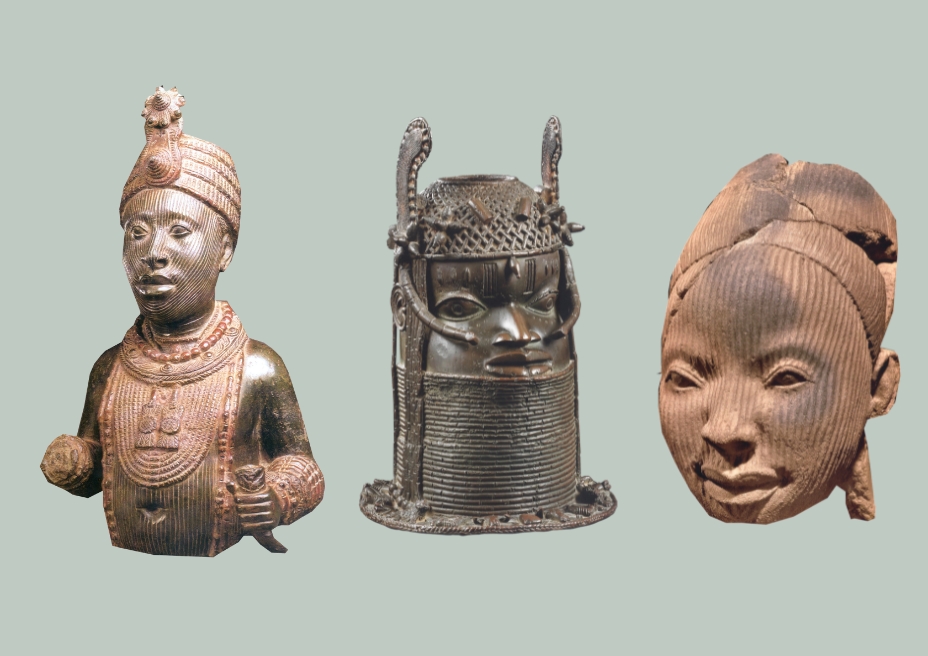
    In the rolling hills and dense rainforests of southern Nigeria, three ancient centers of civilization, Ife, Benin, and Owo, forged some of the most sophisticated artistic traditions in human history. To the untrained eye, their brilliant brass castings, expressive terracottas, and delicate ivory carvings might look like separate, isolated phenomena. In reality, they are deeply interconnected, bound together by centuries of migration, shared royal bloodlines, and a fluid cultural dialogue.

    The Historical Tapestry: How the Kingdoms Interwove

    You cannot fully appreciate the physical beauty of these artifacts without understanding how closely intertwined these three kingdoms were. They were not merely trading neighbors; they shared a profound ancestral DNA.

    The Source: Ile-Ife

    Ile-Ife is universally recognized as the spiritual cradle of the Yoruba people. According to myth, it was the site of creation itself. By the 11th century, Ife had grown into a powerful, sacred metropolis. Its spiritual authority radiated outward, casting a long shadow over the political landscapes of neighboring states.

    The Dynastic Link: Ife and Benin

    The connection between Ife and the Kingdom of Benin, an Edo-speaking empire to the southeast, is cemented in royal lineage. According to both Yoruba and Edo oral histories, the people of Benin faced a political crisis and requested a ruler from the spiritual king (the Ooni) of Ife. The Ooni sent his son, the warrior-prince Oranmiyan.

    While Oranmiyan found the politics of Benin difficult to manage and ultimately returned home, his son with an Edo princess became Eweka I, the very first Oba (king) of Benin’s current imperial dynasty. Because of this dynastic marriage, early Benin kings looked to Ife as their ancestral home. For centuries, when an Oba of Benin died, his remains, or at least symbolic portions of them, were sent back to Ife for holy burial, and Ife master metalsmiths were dispatched to Benin to cast memorial heads for the royal altars.

    The Bridge: Owo

    Positioned geographically right between the Yoruba heartland of Ife and the expanding imperial boundaries of Benin, the kingdom of Owo became the ultimate cultural crossroads. Owo was a Yoruba kingdom, but its proximity to Benin meant it was constantly navigating the political and military might of the Edo empire.

    Over the centuries, Owo acted like a cultural sponge. It maintained its deep, spiritual Yoruba roots tracing back to Ife, while simultaneously adopting the courtly etiquette, architectural styles, and militaristic regalia of the Benin palace. This dual identity is vividly alive in its art.

    Physical Features and Style: Visual Similarities

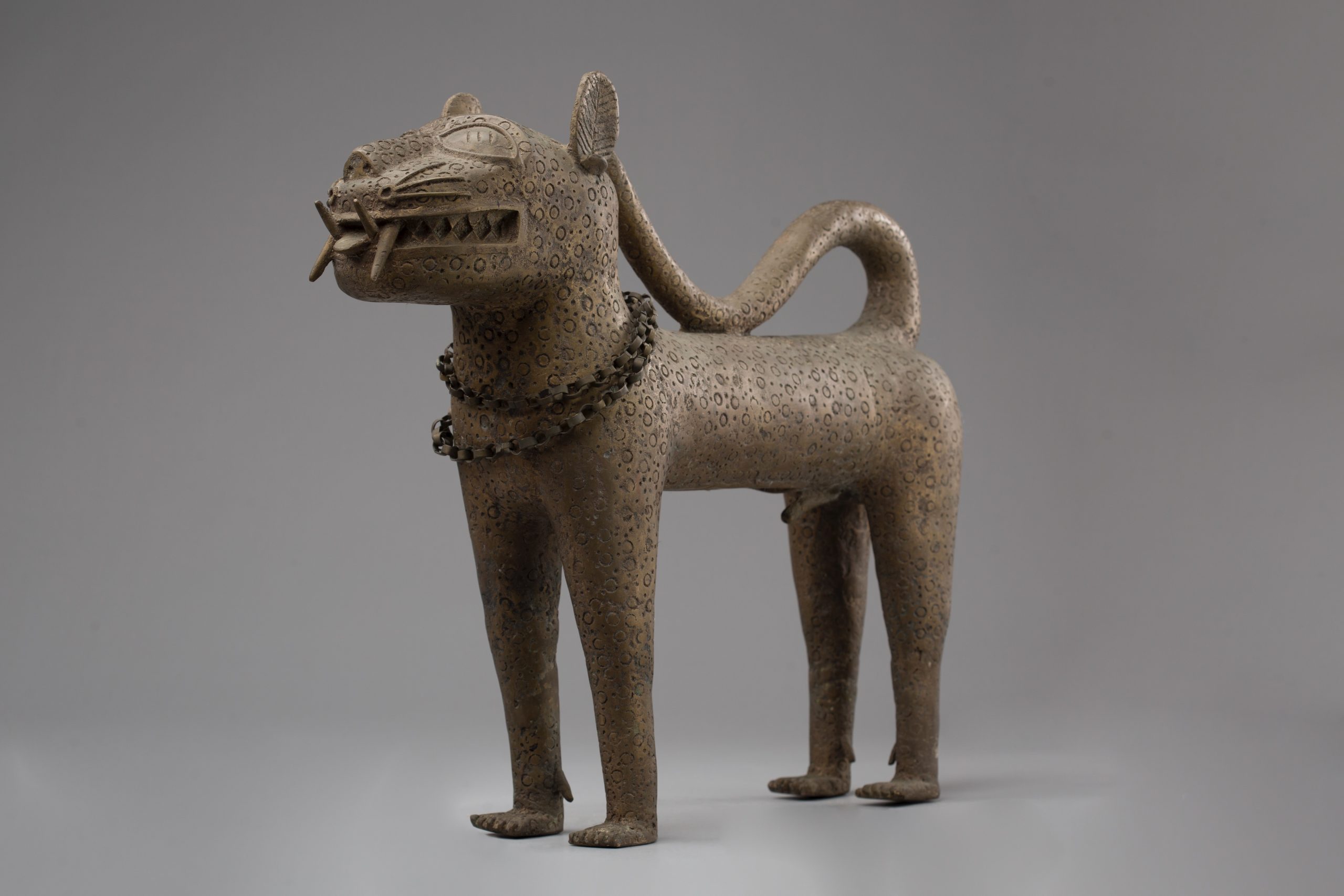
    Despite their distinct artistic traditions, Ife, Benin, and Owo artworks share several visual similarities that reflect their historical and cultural connections. All three traditions emphasize human figures, especially representations of kings, nobles, and important individuals. They display exceptional craftsmanship in bronze, brass, ivory, and terracotta, demonstrating advanced artistic and technological skills.

    Ife’s naturalistic style influenced both Benin and Owo art, particularly in the realistic modeling of faces and attention to detail. Owo artworks combine Ife’s lifelike features with Benin’s elaborate decorative elements, while Benin art shares with Ife and Owo a focus on royal authority and ceremonial symbolism. The use of intricate ornamentation, royal regalia, scarification marks, and idealized portrayals of elite individuals further highlights the visual and cultural links among these three artistic traditions.

    Ife Artifacts: Serene Naturalism

    The art of Ife (flourishing between the 12th and 15th centuries) shocked the Western world when it was first unearthed. Its realism was so astonishingly lifelike that early European collectors erroneously assumed it had to be the work of lost Greeks or Atlanteans, a deeply biased view that ignored the highly localized, indigenous mastery of the lost-wax casting technique.

    • Materials: Primarily terracotta, pure copper, and heavily leaded brass.
    • Facial Features: Ife heads are famous for their quiet, breathing naturalism. Faces are rendered with flawless, flesh-like curves, delicate lips, and almonds eyes. Many heads are covered in fine, perfectly parallel vertical lines, which represent royal scarification or the shadows cast by beaded veils.
    • Proportions and Philosophy: Ife art prioritizes the ori inu (the inner, spiritual head). The expressions are universally serene, calm, and untroubled by age or emotion, capturing the semi-divine, cool composure expected of an Ooni.

    Benin Arts: Imperial Proportions and Power

    As Benin grew into a massive military empire from the 15th to the 19th centuries, its art shifted away from Ifeโ€™s quiet individualism toward a style that loudly celebrated the power, wealth, and history of the state.

    • Materials: Heavy, thick-cast brass and meticulously carved elephant ivory.
    • Visual Style and Regalia: Unlike the smooth, naked faces of Ife, Benin art is heavily textured and laden with detail. Figures are draped in dense, stacked rows of royal coral beads that cover the neck up to the jawline. The faces feature highly stylized, wide eyes and strong, blocky features.
    • Hieratic Scale: In Benin’s famous bronze wall plaques, artists used “hieratic scale”, the more important you are, the bigger you are drawn. The Oba is always depicted as a massive central figure, flanked by much smaller attendants and foreign traders. The heads of Benin figures are also intentionally enlarged, taking up roughly one-third of the body’s total height, to emphasize the center of divine command and intellect.

    Owo Arts: The Fluid Synthesis

    Archaeological digs in Owo (especially at the site of Igbo’Laja) reveal an art style that refuses to be boxed into just one category. Owo artists took the technical brilliance of both empires and fused them into something highly expressive and theatrical.

    • Materials: Renowned for exceptionally expressive terracottas and masterfully intricate ivory work.
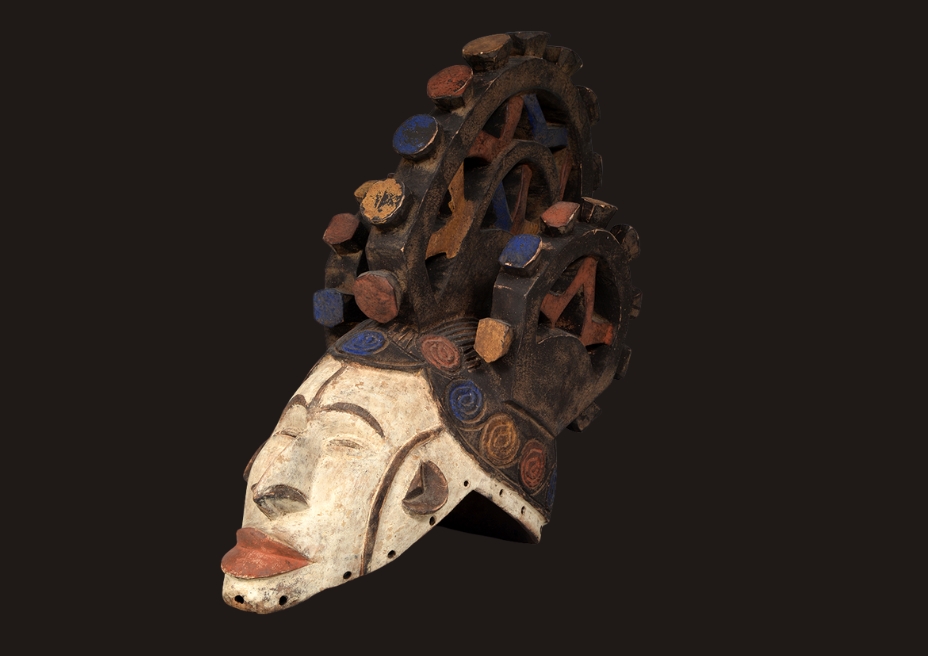
    • The Hybrid Aesthetic: Look closely at an Owo sculpture, and you will see a fascinating tug-of-war. The roundness of the cheeks, the delicate modeling of the eyes, and the peaceful expressions often point right back to the classical heritage of Ife. However, the themes, such as human sacrifices, animals holding logs, and chiefs dressed in heavy, layered ceremonial skirts, are pulled directly from the court arts of Benin.
    • Emotional Intensity: While Ife is calm and Benin is stoic, Owo art often captures raw emotion and action. Terracotta fragments from Owo display faces with wide-open, shouting mouths, bared teeth, and distorted muscles, capturing moments of intense ritual drama that the other two kingdoms rarely depicted.

    A Continuous Conversation

    Ultimately, comparing Ife, Benin, and Owo reminds us that culture is fluid. Ife provided the foundational, spiritual vocabulary of naturalism and metallurgy. Benin took those tools and built a monumental, historic archive of imperial power. Owo, sitting at the geographical heart of the trade routes, blended the two, proving that artistic boundaries are just as porous as political ones. They represent a single, massive creative ecosystem that remains a pinnacle of global art history.

    References

    Blackmun, B. W. (1984). The arts of Africa: The Benin kingdom. University of California Press.

    Blier, S. P. (1985). Kings, crowns, and rights of succession: Obalufon arts at Ife and other Yoruba centers. The Art Bulletin, 67(3), 383โ€“401. https://doi.org/10.1080/00043079.1985.10788279

    Blier, S. P. (2012). Art in ancient Ife, birthplace of the Yoruba. African Arts, 45(4), 70โ€“85. https://doi.org/10.1162/afar_a_00029

    Drewal, H. J., Pemberton III, J., & Abiodun, R. (1989). Yoruba: Nine centuries of African art and thought. Harry N. Abrams.

    Evans, T. L. (2023). A copper alloy head count: Contextualising and accounting for the Wรบnmแปnรญjแบนฬ€ Compound discoveries of Ilรฉ-Ifแบนฬ€, Nigeria. Afrique : Archรฉologie et Arts, 19, 67โ€“100. https://doi.org/10.4000/aaa.4918

    Eyo, E. (1977). Two thousand years of Nigerian art. Federal Department of Antiquities.

    Fagg, W., & Underwood, L. (1949). Nigerian images. Faber and Faber.

    Lawal, B. (2012). Yoruba art and language: Seeking the African in African art. Cambridge University Press.

    NCMM. (2011). Guide to Nigerian museums and monuments. National Commission for Museums and Monuments.

    Plankensteiner, B. (Ed.). (2007). Benin: Kings and ritualsโ€”Court arts from Nigeria. Snoeck Publishers.

    Poynor, R. (2015). The art of Owo. In K. V. G. Ajayi & T. Falola (Eds.), Yoruba culture and tradition (pp. 145โ€“160). Pan-African University Press.

    Poynor, R., & Onibode, B. (2024). I hold in my handโ€ฆ: Prestige, rank, and power. African Arts, 57(3), 44โ€“65. https://doi.org/10.1162/afar_a_00775

    Roth, L., Chouin, G., & Ogunfolakan, A. (2021). Lost in space? Reconstructing Frank Willettโ€™s excavations at Ita Yemoo, Ile-Ife, Nigeria: Rescue excavations (1957โ€“1958) and trench XIV (1962โ€“1963). Afrique : Archรฉologie et Arts, 17, 77โ€“114. https://doi.org/10.4000/aaa.3328

    Willett, F. (1967). Ife in the history of West African sculpture. Thames and Hudson.

    Willett, F. (2004). African art: An introduction. Oxford University Press.

    Ojogho Chidiebere is a cultural researcher and a Curator with the National Commission for Museums and Monuments,(NCMM) Abuja.

  • Museum Marketing: The China Example. By Ojogho Chidiebere (Mrs)

    Museum Marketing: The China Example. By Ojogho Chidiebere (Mrs)

    September 17, 2025

    “Marketing is no longer about the stuff you make, but about the stories you tell.” โ€” Seth Godin

    My 2023 journey through China was a revelation. Beyond the ancient walls and jade artifacts, I discovered a masterclass in cultural business. What I witnessed was a total reinvention of the museum sectorโ€”a transformation that turned quiet archives into global powerhouses of influence and sustainable revenue.

    In less than twenty years, China has evolved its museums from static, object-centered halls into vibrant, community-driven hubs. This wasnโ€™t a stroke of luck; it was the result of a deliberate national strategy that treats heritage as a living economic asset rather than a dusty historical record.

    The Evolution of Museum Strategy

    FeatureTraditional Archive ModelModern Innovation Model (The “China Example”)
    Core FocusPreservation of objects.Curation of human experiences.
    Visitor RolePassive observer (look, don’t touch).Active participant (interact, share, create).
    TechnologyStatic labels and glass cases.AR/VR, livestreaming, and AI-driven apps.
    RevenueDependent on grants and entry fees.Merchandising, events, and brand partnerships.
    ReachLocal and physical.Global and hybrid (physical + digital).
    PerceptionA place for the past.A hub for the future and creative industry.

    The Pillars of Chinaโ€™s Museum Revolution

    1. Storytelling as a Strategic Asset

    Chinese museums have moved beyond mere display; they now curate experiences. Every artifact is woven into a narrative of human struggle, national pride, or cultural evolution. Visitors donโ€™t just observe historyโ€”they feel it. By extending these stories into VR, merchandise, and viral social media campaigns, engagement never truly ends when the visitor leaves the building.

    2. The Digital-First Model

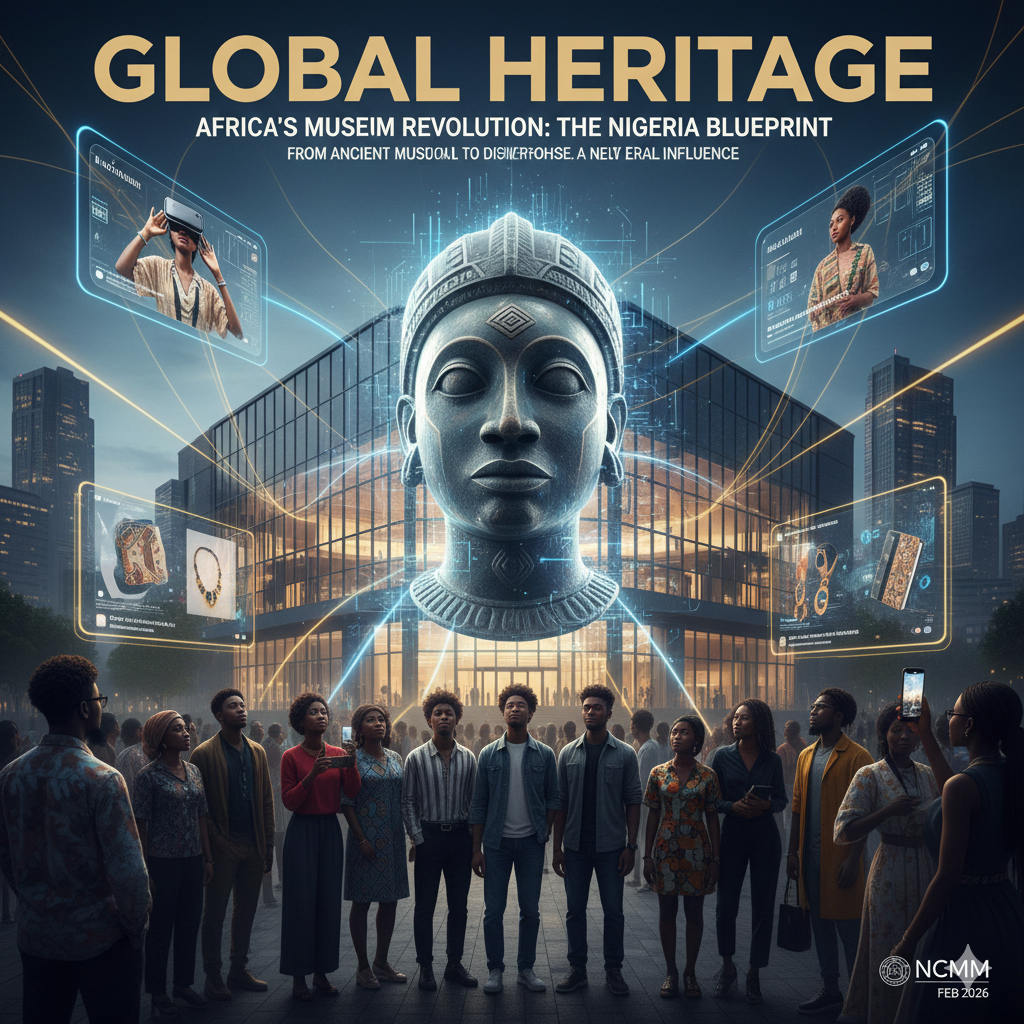
    China has blurred the lines between technology and tradition. By leveraging AR/VR reconstructions, livestreamed tours, and interactive mobile apps, museums have achieved a hybrid visibility model. This allows them to reach millions of global citizens who may never physically step through their doors, creating a continuous cycle of interest and marketing.

    3. Global Branding and Power Partnerships

    Major institutions now operate like elite global brands. With consistent, modern aesthetics and high-level collaborationsโ€”spanning tourism boards, international ministries, and corporate giantsโ€”China has positioned its museums as central players in cultural diplomacy.

    4. The Gift Shop as a Revenue Engine

    In China, the museum shop is a sophisticated cultural marketplace. These are not mere souvenir stands but powerful revenue streams offering:

    • High-fidelity replicas and fine jewelry.
    • Modern fashion inspired by ancient motifs.
    • Educational tools and high-end home dรฉcor. Every product is a “brand ambassador” that carries the museum’s story into the homes of the public.

    5. Museums as Social Centers

    By hosting night tours, fashion shows, and film festivals, these institutions have become “social anchors.” They have successfully captured the younger demographic, proving that a museum can be both an educational bastion and a buzzing entertainment destination.


    Lessons for Nigeria: The NCMM Opportunity

    Chinaโ€™s success provides a roadmap for what is possible when strategy meets heritage. Nigeria possesses one of the most diverse cultural footprints on earth, positioning the National Commission for Museums and Monuments (NCMM) for a similar renaissance.

    Achieving this requires a radical departure from outdated operational models. We must move toward a future where our museums:

    • Generate independent, sustainable revenue.
    • Strengthen national identity through modern storytelling.
    • Drive the creative economy and tourism jobs.

    A Call to Visionary Action

    The path forward is already being cleared. It is vital to commend the new Director-General of the NCMM, whose bold leadershipโ€”particularly the recent digitization initiatives in Lagosโ€”signals a break from stagnation. This vision is exactly what is needed to transition Nigerian museums into the modern era.

    However, this is only the beginning.

    To compete on the global stage, the NCMM must fully embrace these emerging realities. We must prioritize digital innovation, strategic global branding, and community partnerships. By shedding the old ways and adopting a “living asset” mindset, we can transform our museums into world-class institutions that inspire the next generation and command global respect.

    Ojogho Chidiebere is a cultural researcher and a Curator with the National Commission for Museums and Monuments,(NCMM) Abuja.

  • When the Dead Return: The Living Story of Reincarnation in Mbaise and Obowo. By Ojogho Chidiebere (Mrs)

    When the Dead Return: The Living Story of Reincarnation in Mbaise and Obowo. By Ojogho Chidiebere (Mrs)

    September 16, 2025

    In the rolling green heart of Imo State, where morning mist clings to red-earth compounds and the rhythmic thud of wooden mortars anchors the day, there exists a conviction older than the arrival of the cross or the records of the crown. It is the unwavering belief that life is not a straight line, but a circle.

    To the people of Mbaise and Obowo, reincarnationโ€”Ilo Uwaโ€”is not a dusty myth or a fireside story. It is a lived reality, a spiritual compass, and the lens through which they view the mysteries of birth, death, and homecoming.

    A World of Ancestral Fingerprints

    In these communities, childbirth is viewed as more than a biological event; it is a return. A newborn is not a stranger, but a relative finding their way back to the family hearth.

    Families watch for signs with the precision of scholars. A birthmark in a peculiar place, a toddlerโ€™s inexplicable habit, a dream during pregnancy, or even the childโ€™s reaction to a specific personโ€”all are read like omens. When the elders gather, the whisper is always the same:

    โ€œE nwere onye lแปtaraโ€ โ€” Someone has come back.

    These “ancestral fingerprints” are undeniable to the locals. A boy born with a scar identical to his late uncleโ€™s injury, or a little girl who instinctively reaches for the specific weaving loom of a long-dead grandmother, are not seen as coincidences. They are proof of a soul resuming its journey.

    Mbaise: The Continuum of Loyalty

    Mbaise is a land defined by a fierce ancestral consciousness. Here, reincarnation is treated as a practical extension of family loyalty.

    In the town of Ahiara, locals still speak of a woman whose late mother promised in a dream, โ€œI will return through you.โ€ Months later, her daughter was born with a mole mirroring the grandmother’s exactly. As the child grew, she refused modern beds, insisting on sleeping only on the old womanโ€™s traditional mat. In Mbaise, these children are often greeted with knowing nods: “He has come back to finish his work.”

    Obowo: A Tradition Quietly Preserved

    In Obowo, where riverine roots run deep, Ilo Uwa persists with a quiet resilience. While decades of Pentecostal influence have pushed the practice into the private corners of the home, the belief remains unshaken.

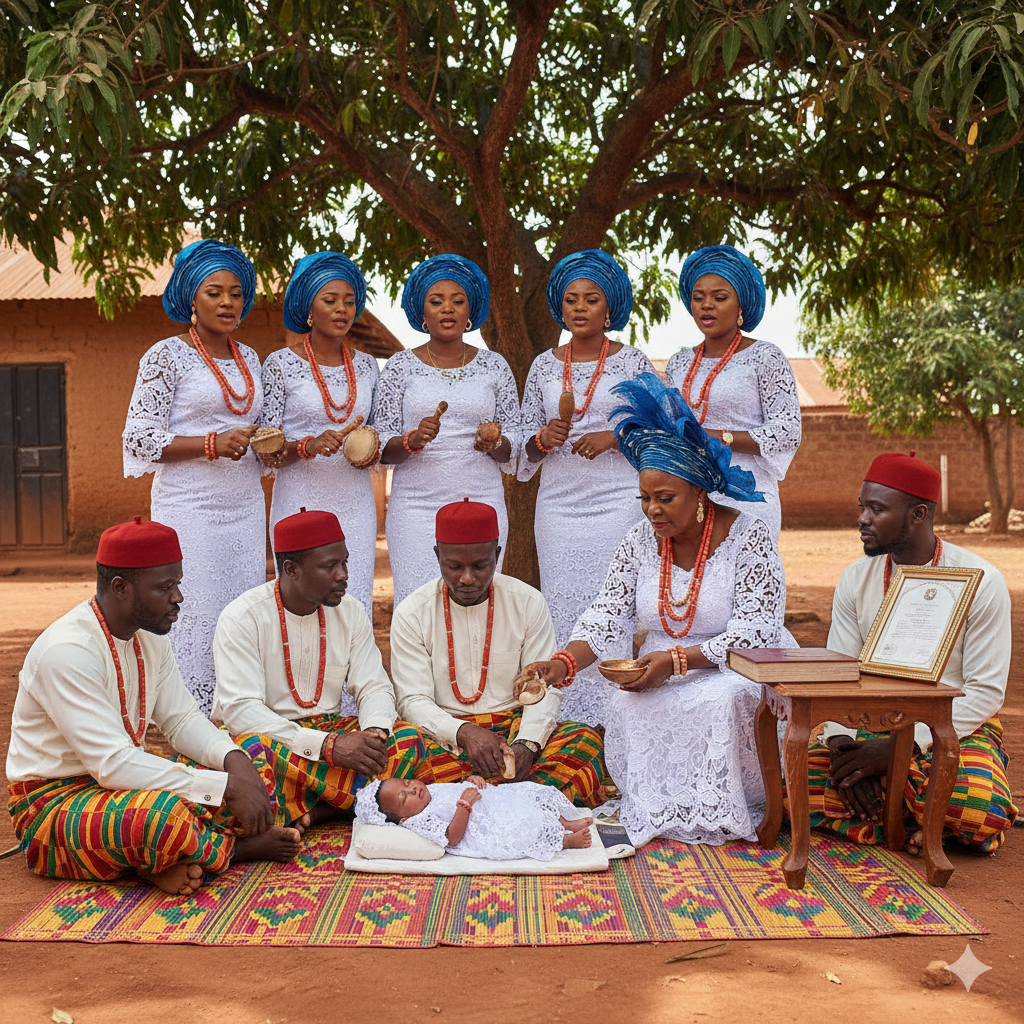
    In Umuariam, an infant was recently born with a dark pigmentation around her wrist, mirroring the traditional bead marks of a deceased matriarch. On naming day, the family balanced two worlds: they gave her the ancestorโ€™s name, Ngozichukwukama, and performed a dawn cleansing rite with herbal baths and libations. By afternoon, the same child was at a Catholic altar for baptismโ€”two spiritual identities woven together without conflict.

    The Sacred Rituals of Recognition

    When a soul is believed to have returned, several rites often follow to ensure a smooth transition:

    • Consultation with a Dibia: A traditional diviner is often sought to identify the returning soul and determine if there are past-life burdens to address.
    • Herbal Cleansing: A symbolic washing using river water and sacred leaves to “cool” the soul from its journey.
    • Naming as Restoration: The child is given the ancestorโ€™s name not just for honor, but to restore their place in the lineage.

    The Cross and the Circle: A Clash of Faiths

    The arrival of Christianity created a complex spiritual landscape. In Mbaise, Catholicism and tradition have reached a quiet truce; many families baptize their children in the church while maintaining ancestral rites at home.

    Pentecostalism, particularly in Obowo, takes a firmer stance, often labeling reincarnation as “ancestral bondage.” Yet, even here, the old ways endure. Grandmothers, the keepers of memory, often lead these rituals in secret, ensuring that the ancient connection between the living and the dead is never truly severed.

    Modern Times, Ancient Souls

    Ilo Uwa has adapted to the 21st century. Today:

    • Mothers record “visitation dreams” on smartphones.
    • The Diaspora consults elders via video call to confirm a childโ€™s spiritual lineage.
    • Modern parents give their children “English” names for the world, but ancestral names for the soul.

    As the elders say: “Spiritual things do not disappear just because we stop talking about them.” In Mbaise, they believe that life circulates; in Obowo, they know that death is merely the road that leads back home.

    Tales of the Returned

    1. The Drummer (Mbaise): A two-year-old in Oru who played the Ogene with the professional mastery of a grandfather he never met.
    2. The Inherited Wound (Obowo): A baby born with a scar on the same leg where her uncle suffered a fatal injury; her first spoken word was his name.
    3. The Widowโ€™s Visitor (Mbaise): A toddler who insisted on sitting in a specific patriarch’s chair and referred to the widowed matriarch as “my wife.”
    4. The Double Naming: A modern compromise where one name satisfies the church, and the other honors the bloodline.

    Why the Circle Endures

    Reincarnation survives not as a rejection of modern faith, but as a bridge. it explains the unexplainable, heals the sting of grief by transforming loss into return, and anchors a personโ€™s identity in a community that spans generations.

    A people who remember their dead so deeply cannot believe they are ever truly gone. In Mbaise and Obowo, the story doesn’t end at the graveโ€”it simply waits for the next cradle.

    Ojogho Chidiebere is a cultural researcher and a Curator with the National Commission for Museums and Monuments,(NCMM) Abuja.

  • Woven Identities: The Cultural Power of Nigerian Textiles. By Ojogho Chidiebere (Mrs)

    September 15, 2025

    Across Nigeria, fabrics are far more than materials to cover the body. They are visual languages, woven histories, and powerful tools of identity. From the indigo-dyed Adire of the Yoruba, to the intricately handwoven Akwete of the Igbo, the regal Aso-Oke of the southwest, and the ubiquitous Ankara prints that have become synonymous with African fashion worldwide, Nigerian textiles embody centuries of cultural meaning and negotiation of power.

    Each textile carries encoded narratives. The Adire, made using resist-dye techniques in Abeokuta, tells stories through symbols etched into cloth geometric shapes, flora, animals, and proverbs. These motifs communicate messages, express prayers, or mark social events. Similarly, Akwete, woven traditionally by Igbo women, is not just decorative but a symbol of feminine identity, status, and cultural continuity. The patterns often reference community values, historical encounters, and even personal achievements.

    In the north, woven strips of cloth sometimes transformed into elaborate gowns signify prestige, spirituality, and masculinity. Within royal courts, textiles have long been symbols of legitimacy and authority. A kingโ€™s robe is as much a political statement as it is attire.

    The power of textiles in Nigeria rests in their power to express collective identity. Weddings, funerals, and political rallies are marked by the practice of aso ebi- uniform fabrics worn by groups to demonstrate solidarity. What might look like colorful coordination is, in fact, a deeply cultural act of expressing kinship, loyalty, and social hierarchy.

    Cloth is also an arena of class expression. Imported Ankara in the 20th century became widely embraced as โ€œAfrican,โ€ despite its European manufacturing roots, because it was affordable and adaptable. Today, the debate around Ankara versus indigenous fabrics reflects broader questions of authenticity, globalization, and cultural pride. While elites often reserve Aso-Oke or handwoven cloths for major occasions, Ankara remains the fabric of everyday expression, democratizing style across classes.


    Textiles have also been vehicles of resistance. During colonial rule, women in southwestern Nigeria resisted imported British cotton by strengthening the Adire market. Wearing local cloth became an act of defiance, a declaration of self-worth, and a reclaiming of identity.

    In todayโ€™s fashion scene, designers like Lisa Folawiyo, Kenneth Ize, and Deola Sagoe are reinterpreting traditional fabrics for global runways. By blending age-old methods with modern day fashion techniques, they are projecting Nigerian identity into the future, ensuring that the stories woven into the fabrics continue to evolve.

    At heart, Nigerian textiles remind us that clothing is never neutral. A wrapper, a head tie, or a robe can carry as much weight as a political speech. In every stitch and dye, there is memory, resistance, pride, and the unspoken reminder that culture is best understood not only in words, but in textures, colors, and patterns.

    As Nigeria continues to define its place in the global cultural economy, its fabrics stand as resilient witnesses;proof that identity can be woven, worn, and passed on from one generation to the next.

    Ojogho Chidiebere is a cultural researcher and a Curator with the National Commission for Museums and Monuments,(NCMM) Abuja.

  • Bronze, Ivory and Power: Reading the Language of Benin Court Art. 
By Stephanie Chinonso Nwaokobia

    Bronze, Ivory and Power: Reading the Language of Benin Court Art. By Stephanie Chinonso Nwaokobia

    June 6, 2025

    โ€œIn Benin court art, bronze and ivory were never merely materials of decoration; they were instruments through which history, kingship, spirituality, and memory were preserved for generations.โ€

    Across the history of Africa, few artistic traditions have achieved the level of technical sophistication, symbolism, and historical depth found in the royal art of the ancient Benin Kingdom. Long before modern historical documentation became widespread, Benin court art functioned as a visual archive through which political authority, spiritual beliefs, royal achievements, warfare, diplomacy, and ancestral memory were preserved. Cast in bronze, carved in ivory, or fashioned in wood and iron, these objects were never merely decorative creations. They formed part of a highly organized court system in which art operated as a language of power, ritual, identity, and governance.

    Today, Benin court art remains one of the most internationally recognized artistic traditions from Africa. Yet public attention often focuses primarily on the famous โ€œBenin Bronzesโ€ as looted artworks scattered across foreign museums. While the debates surrounding restitution remain important, the deeper meanings embedded within these objects are sometimes overlooked. Each plaque, altar bell, commemorative head, ceremonial sword, or ivory tusk was created within a larger philosophical and political structure that defined the Benin Kingdom between the fourteenth and seventeenth centuries.

    At the centre of this artistic tradition stood the แปŒba of Benin, regarded not simply as a political ruler but as a sacred monarch whose authority connected the physical and spiritual worlds. Benin court art repeatedly reinforced this sacred kingship through symbols of strength, divine legitimacy, ancestral continuity, and ritual authority. The royal palace itself functioned as both political headquarters and sacred space, where art objects were used to communicate royal ideology and preserve dynastic memory.

    Among the most significant objects within this tradition are the commemorative heads known as Uhunmwun-Elao. These bronze memorial heads were commissioned by newly crowned rulers to honour deceased predecessors and were placed on ancestral altars within the palace. More than portraits, these heads served as spiritual links between the reigning แปŒba and the royal ancestors. Their placement on altars reinforced the belief that kingship in Benin existed within an unbroken ancestral continuum.

    In many examples, carved ivory tusks known as Akenโ€™niElao were inserted into openings at the top of these commemorative heads. These tusks, richly decorated with relief carvings of royal activities, warriors, attendants, animals, and ritual scenes, functioned as historical records of the kingdom. The elephant itself symbolized strength, wisdom, permanence, and royal authority. Together, the bronze head and ivory tusk formed one of the most powerful altar assemblages within the Benin court.

    Lorem Ipsum has been the industry’s standard dummy text ever since the 1500s.

    The importance of ancestral reverence is also visible in the Ukhurhe, the wooden rattle staff associated with ancestral altars. Often topped with carved heads and containing internal clappers, these staffs embodied the continuing presence and authority of ancestors, former rulers, and important figures within the kingdom. During rituals, the sound produced by the staff symbolically connected the living with the ancestral realm.

    Closely related to these ritual practices were the bronze Egogo altar bells. Bells occupied an essential place in Benin ceremonial life. Their ringing summoned ancestral spirits, announced offerings, and initiated communication between worshippers and the spiritual world. Far from simple musical instruments, altar bells represented spiritual activation and sacred dialogue.

    The concept of sacred kingship was further reinforced through animal symbolism, particularly the leopard known as แบธkpแบนn. Leopard figures and leopard-aquamaniles appeared frequently in Benin court art because the leopard symbolized courage, wisdom, ferocity, and controlled powerโ€”qualities associated directly with the แปŒba. In Benin thought, the leopard was regarded as the โ€œking of the forest,โ€ while the แปŒba remained the โ€œking of the home.โ€ The relationship between both symbols reinforced the rulerโ€™s supreme authority.

    Bronze leopard figures were often produced in pairs and placed on royal altars as spiritual guardians. Leopard-shaped aquamaniles were also used in ceremonial handwashing rituals connected to palace traditions. These ritual vessels demonstrate how functionality and symbolism merged seamlessly within Benin court art.

    Another recurring motif in Benin royal imagery is the mudfish. Seen prominently in bronze plaques and stools such as the Erhe mudfish stool, the mudfish symbolized the แปŒbaโ€™s ability to exist simultaneously within the human and spiritual realms. Because mudfish survive both in water and on land, they became metaphors for supernatural adaptability and divine kingship. In several bronze plaques, the แปŒba’s legs is represented with mudfish, emphasizing his spiritual authority and connection to Olokun, the deity associated with the sea, wealth, and cosmic power.

    Benin plaques themselves remain among the most historically significant artistic achievements of the kingdom. Produced largely from the reign of Oba Ewuare in the fifteenth century onward, these plaques decorated palace pillars and documented royal ceremonies, military campaigns, diplomatic encounters, court hierarchy, and spiritual beliefs. They functioned as visual historical records, communicating royal legitimacy and preserving institutional memory.

    The plaques also reveal the complexity of Beninโ€™s interactions with foreign societies, particularly the Portuguese. Several objects, including ivory containers and bronze helmets, depict Portuguese soldiers and European-inspired forms. These representations reflect early diplomatic and commercial contact between Benin and Europe from the fifteenth century onward. However, Benin artists did not merely imitate foreign imagery; they transformed external influences into distinctly Benin artistic expressions.

    One example is the ornate bronze Uru or lidded ewer. Though influenced by foreign vessel forms, the object incorporates highly symbolic Benin imagery including a seated แปŒba, snake-shaped handle, monkey spout, and human-leg supports. The monkey motif, uncommon in Benin art, is associated with warfare preparation, while the snake symbolizes supernatural power and ritual expertise. The object therefore combines imported formal inspiration with deeply localized symbolic meaning.

    Military power and ceremonial authority were equally important within the visual language of Benin court art. The ceremonial swords known as Eben and Ada served not only as royal regalia but also as symbols of political legitimacy and divine authority. The Eben, with its broad leaf-shaped blade and openwork decoration, was used by high-ranking chiefs and the แปŒba during festivals and palace rituals. The curved Ada represented supreme authority and was closely associated with royal power and the right to rule.

    The support system surrounding the monarchy also appears repeatedly in Benin art. Bronze waist pendants and pendant plaques often depict the แปŒba supported physically by chiefs standing beside him. This imagery symbolized the collective structure required to sustain kingship and maintain political stability within the kingdom. It reflected an understanding that authority operated within a broader court hierarchy rather than through isolated power alone.

    Female authority also occupies a major place within Benin court traditions, particularly through representations of the Queen Mother or Iyแปba. The commemorative heads of Queen Idia remain among the most celebrated examples of African art globally. Queen Idia played a significant political and spiritual role during the reign of Oba Esigie and became immortalized through ivory portrait masks and memorial heads commissioned after her death.

    The famous ivory pendant mask of Queen Idia, known as Iya-Oba, later became the emblem of FESTAC โ€™77, symbolizing African cultural pride and artistic excellence. Adorned with coral beads and intricate carvings, the mask reflects the elevated status of the Queen Mother within Benin political structure. Its continued recognition today demonstrates the enduring cultural influence of Benin court art far beyond its original historical context.

    Equally important are ritual objects associated with shrine practices and spiritual protection. The bronze rooster or Okpa, commonly associated with Queen Mother altars, symbolized vigilance and guardianship. The Akhe-Osun ritual pot, decorated with relief imagery of snakes swallowing frogs, reflected beliefs surrounding spiritual attack, ritual medicine, and supernatural power within palace shrines.

    Benin court art also preserved oral history and political memory through symbolic storytelling. The famous โ€œBird of Prophecyโ€ commemorates the legendary account of Oba Esigieโ€™s military victory despite warnings of defeat. According to tradition, the แปŒba declared that success belonged to those who refused to surrender to fear and negative prophecy. The casting of this bird in bronze transformed oral tradition into permanent visual memory.

    Perhaps what distinguishes Benin court art most significantly is its integration of aesthetics, governance, spirituality, and historical documentation into a unified artistic system. Objects were rarely isolated from function. Art served ritual purposes, reinforced political authority, documented historical events, preserved ancestral continuity, and communicated cosmological beliefs simultaneously.

    The technical achievements of Benin bronze casters further underline the sophistication of this artistic tradition. Using the lost-wax casting technique, Benin guild artists produced highly detailed sculptures and plaques centuries before many European societies fully appreciated African metallurgical expertise. The precision of surface decoration, anatomical representation, and symbolic composition demonstrates advanced artistic specialization supported by royal patronage.

    Yet the history of Benin court art cannot be separated from the events of 1897, when British forces invaded Benin during the punitive expedition, looting thousands of royal objects from the palace. These artworks were subsequently dispersed across museums and private collections throughout Europe and North America. Their removal not only displaced physical objects but also disrupted cultural memory and institutional continuity within the kingdom.

    Today, ongoing restitution efforts continue to reshape global conversations surrounding ownership, ethics, and cultural heritage. Some Benin objects have gradually been returned to Nigeria, while others remain subjects of negotiation. However, beyond the politics of restitution lies a deeper issue: the need to understand these objects not simply as artworks, but as living records of a highly organized civilization with sophisticated systems of governance, spirituality, diplomacy, and artistic production.

    Benin court art remains one of Africaโ€™s most important contributions to global cultural history. Its objects speak not only through their beauty but through the political, spiritual, and historical knowledge embedded within them. Every bronze plaque, commemorative head, altar bell, leopard figure, or ivory tusk carries evidence of a kingdom that understood art as a tool for preserving memory, legitimizing authority, and connecting generations. In many ways, these objects continue to perform that function today. They remain active witnesses to history, cultural identity, artistic excellence, and the enduring intellectual legacy of the Benin Kingdom.

    Nwaokobia Stephanie Chinonso writes from National Museum Lagos

  • Language Death and Revival: Saving Nigeriaโ€™s Endangered Tongues in a Digital Age

    HALIMA Abdullahi, November 2, 2024

    Abstract

    Language is not just a means of communication; it is the soul of a peopleโ€™s identity, history, and worldview. In Nigeria, home to over 500 indigenous languages, the phenomenon of language death poses a significant threat to cultural heritage. While some tongues thrive, many face extinction, primarily due to socio-political marginalization, globalization, intergenerational shift, and urbanization. However, the digital revolution offers a new frontier for linguistic revival. This paper examines the causes and patterns of language endangerment in Nigeria, situates them within a global framework, and explores how digital toolsโ€”such as AI, mobile apps, social media, and online documentationโ€”can support revitalization. Drawing on interdisciplinary theories and recent case studies, it proposes actionable strategies for stakeholders including linguists, cultural institutions, governments, and communities. The study underscores that preserving Nigeriaโ€™s linguistic diversity is both a cultural imperative and a digital opportunity.

    Keywords

    Language endangerment; linguistic diversity; Nigeria; language death; digital revitalization; indigenous languages; cultural heritage; AI and language preservation

    1. Introduction

    Language encapsulates the intellectual wealth, identity, and continuity of any cultural group. In multilingual nations like Nigeriaโ€”renowned for its linguistic richnessโ€”language does not only serve communicative functions but also acts as a carrier of intangible heritage, traditional knowledge systems, and community values. Despite this, Nigeria faces a silent but profound crisis: the rapid decline and extinction of many indigenous languages. According to UNESCO, over 27 Nigerian languages are critically endangered, with several already extinct.

    Language death is not merely a linguistic issue but a cultural one. It signals the loss of oral traditions, indigenous epistemologies, and worldviews. However, as the world advances digitally, new opportunities are emerging to reverse this trend. In an age where information and communication technologies (ICTs) permeate every sphere of life, there is a growing recognition that digital platforms can be harnessed for the documentation, teaching, and revitalization of endangered languages.

    This paper explores the socio-cultural, political, and economic factors contributing to language death in Nigeria. It further examines the potential of digital technology to support the revival of these endangered tongues. Ultimately, it calls for a multidisciplinary approach that leverages both cultural heritage policies and technological tools in the fight to save Nigeriaโ€™s endangered languages.

    2. Theoretical Framework

    This study is situated within the theoretical lenses of Ethnolinguistic Vitality Theory (Giles, Bourhis & Taylor, 1977) and Digital Language Ecology (Hult, 2018).

    Ethnolinguistic Vitality Theory posits that the survival of a language depends on factors such as status, demographic strength, and institutional support. Languages with low vitality tend to face extinction unless deliberate revitalization efforts are made. This framework allows for an understanding of why certain Nigerian languagesโ€”particularly those with limited demographic spread and weak institutional supportโ€”are more vulnerable.

    Digital Language Ecology, on the other hand, views languages within digital environments as evolving ecosystems. It highlights how digital affordances (such as mobile apps, AI tools, or online dictionaries) interact with language communities to create new pathways for use and survival. This lens is crucial for understanding how Nigerian languages can adapt and thrive in the digital age.

    Together, these theories offer a dual perspective: one rooted in traditional sociolinguistic realities, and the other in emerging technological opportunities.

    3. Language Death: Global and Nigerian Contexts

    3.1 Global Perspective

    Language death is a global phenomenon. As of 2024, UNESCO estimates that nearly 3,000 of the worldโ€™s approximately 7,000 languages are endangered. Language extinction often follows a pattern: as dominant languages take precedence for economic, educational, or political purposes, minority languages lose their speakers, especially among younger generations.

    Historically, language suppression has been linked to colonialism, nation-building projects, and the global spread of English, Mandarin, Arabic, and Spanish. In many parts of the world, the loss of language equates to the erasure of indigenous knowledge systems and oral literature.

    3.2 Nigerian Scenario

    Nigeria is Africaโ€™s most linguistically diverse nation, with over 500 languages from three major language families: Niger-Congo, Afro-Asiatic, and Nilo-Saharan. However, many of these languages face varying levels of endangerment.

    Examples include:

    • Tikar (spoken in Adamawa): severely endangered

    • Mambila (Taraba): critically endangered

    • Oro (Oron) (Akwa Ibom): rapidly declining

    • Ajawa (Bauchi): extinct

    Factors such as internal migration, urbanization, Western education, and the dominance of English, Hausa, Yoruba, and Igbo contribute to language displacement.

    4. Causes of Language Endangerment in Nigeria

    4.1 Colonial and Post-Colonial Language Policies

    The privileging of English since colonial rule has marginalized indigenous languages. Schools, courts, and administrative institutions adopted English as the primary language, leading to the devaluation of local tongues.

    4.2 Socio-Economic Pressures

    Language choice is often influenced by access to economic mobility. Parents may prefer to raise children in dominant languages to enhance future job prospects, thereby skipping indigenous language transmission.

    4.3 Urbanization and Internal Migration

    In Nigeriaโ€™s urban centers, mixed-lingual environments discourage the use of minority languages, replacing them with dominant regional tongues or Nigerian Pidgin.

    4.4 Lack of Institutional Support

    Most Nigerian languages lack standardized orthographies, school curricula, or media presence. This institutional neglect accelerates language shift and erosion.

    5. Digital Technology and Language Revival

    Digital technology offers practical tools for capturing, teaching, and revitalizing endangered languages:

    5.1 AI and Machine Learning

    Tools like ChatGPT and Google Translate rely on large language datasets. For Nigerian languages, AI can:

    • Generate digital dictionaries

    • Support voice-to-text tools in local dialects

    • Enable chatbot translation in mother tongues

    5.2 Mobile Applications

    Apps like Duolingo, LinguaLibre, and U-Dictionary can be adapted for local languages. Community-led apps like โ€œYorรนbรกNameโ€ already document Yoruba words and proverbs.

    5.3 Social Media and Content Creation

    Platforms like YouTube, TikTok, and Instagram allow speakers to share content in local languages. This not only raises awareness but also makes the language relevant to younger audiences.

    5.4 Language Documentation Platforms

    Digital archives such as Endangered Languages Project and OLAC (Open Language Archives Community) support collaborative documentation of endangered languages.

    6. Case Studies in Digital Language Revival

    6.1 YorubaName Project

    Founded by Kแปฬlรก Tรบbแปฬ€sรบn, this project documents Yoruba names, pronunciations, and meanings, offering audio and orthographic support online. It has gained academic and community attention globally.

    6.2 Igbo Amaka Initiative

    A youth-led social media movement encouraging the use of Igbo through memes, skits, and storytelling on TikTok and Instagram. It demonstrates how digital platforms can drive engagement.

    6.3 UNESCO Nigeria-French Digital Language Preservation Project

    This initiative, in collaboration with African researchers, promotes digital documentation and standardization of minority Nigerian languages.

    7. Challenges in Reviving Endangered Languages

    • Funding limitations for community projects

    • Digital literacy gaps among elder speakers

    • Policy neglect and lack of linguistic rights enforcement

    • Data scarcity for building language models

    • Urban-rural divide in access to tech tools

    8. Strategies and Recommendations

    • Policy Integration: The National Policy on Education should mandate the inclusion of indigenous languages in formal schooling.

    • Community Involvement: Empower communities to lead language documentation using smartphones and oral recordings.

    • Collaboration with Tech Developers: Encourage partnerships with platforms like Google and Meta to integrate Nigerian languages.

    • Support for Linguistic Startups: Provide grants for language tech entrepreneurs working on AI-based tools.

    • Cultural Institutionsโ€™ Role: Museums, archives, and cultural centers must digitize and preserve oral heritage.

    9. Conclusion

    The future of Nigeriaโ€™s linguistic heritage lies at the intersection of cultural preservation and digital innovation. While the forces of globalization and modernization continue to threaten minority languages, the digital age offers unprecedented opportunities for revival. From mobile apps and AI to social media campaigns and collaborative documentation, technology can be a powerful ally. But success requires policy commitment, community action, and sustained investment. Saving Nigeriaโ€™s endangered tongues is not just a cultural dutyโ€”it is a legacy for future generations.

    References

    • Eberhard, D. M., Simons, G. F., & Fennig, C. D. (2023). Ethnologue: Languages of the World (26th ed.). SIL International.

    • Giles, H., Bourhis, R. Y., & Taylor, D. M. (1977). Towards a theory of language in ethnic group relations. Language, Ethnicity and Intergroup Relations, 307โ€“348.

    • Hult, F. M. (2018). More than a lingua franca: Functions of English in a globalized educational language policy. Language, Culture and Curriculum, 31(3), 265โ€“282.

    • Kแปฬlรก Tรบbแปฬ€sรบn. (2015). YorรนbรกName Project. Retrieved from https://yorubaname.com

    • Lewis, M. P., Simons, G. F., & Fennig, C. D. (2016). Sustaining Language Use: Perspectives on Community-Based Language Development. SIL International.

    • UNESCO. (2024). Atlas of the Worldโ€™s Languages in Danger. Retrieved from http://www.unesco.org/languages-atlas
    • Urua, E. E., & Essien, O. E. (2018). The fate of Nigerian languages in the 21st century. Journal of Nigerian Languages and Culture, 20(2), 41โ€“58.


  • The Indispensable Red Oil Palm: A Lifeline for the Traditional Igbo Family | By Okoro Onyinyechi & Ngozi Lindaย Onuba

    July 6, 2024

    The oil palm tree (Elaeis guineensis), a tropical plant indigenous to West Africa, stands as a verdant monument to utility and sustenance, deeply woven into the very fabric of traditional Igbo life. Renowned for its abundant, oil-rich fruits, this remarkable tree thrives in the hot, humid, and generously rainy climates characteristic of West and Central African equatorial regions, encompassing nations such as Nigeria, Ghana, Cรดte d’Ivoire, and Cameroon. Optimal growth conditions for the oil palm include a substantial annual rainfall ranging from 1,500 to 2,500mm, coupled with deep, well-drained, and fertile soil, allowing its extensive root system to flourish and draw ample nutrients.


    Economic and Cultural Significance: A Holistic Integration

    For the Igbo people, the oil palm is far more than merely a botanical specimen; it is a foundational pillar of their economy and culture, embodying a holistic integration into their societal structure.

    • Economic Value: A Commodity of Sustenance and Trade: Historically, oil palm products have been absolutely crucial for both local consumption and vibrant trade networks, remaining a pivotal agricultural commodity to this day. Palm oil, meticulously extracted from the fruit’s fleshy mesocarp through traditional pressing methods, is an ubiquitous and indispensable staple in Igbo cuisine, imparting a distinctive flavour and rich colour to countless dishes. Beyond direct culinary use, this versatile oil is also a primary ingredient in local soap making, a process often carried out at the household level, and finds application in various traditional crafts. Palm kernel oil, derived from the hard seed (kernel) encased within the fruit, is similarly valuable, undergoing further processing for a broader range of applications, including more refined soaps, emollients, and even traditional medicinal preparations. The economic ripple effect of the oil palm supports countless families, from harvesters and processors to traders and artisans.
    • Cultural Importance: A Symbol of Life, Prosperity, and Ancestry: The oil palm transcends its material worth to embody profound symbolic meaning, representing wealth, prosperity, and elevated social status within Igbo communities. Its presence is deeply ingrained in numerous rituals, ceremonies, and rites of passage, marking significant life events and societal transitions. A poignant example is the tradition where a newborn’s umbilical cord is ritually buried at the base of an oil palm tree, forging a lifelong, symbolic connection between the individual and that specific tree, which is thenceforth considered “theirs.” This act signifies grounding, growth, and a connection to the land and ancestry. The tree is also an essential element in significant social gatherings, including weddings, where palm wine might be served or palm oil used in celebratory feasts; traditional feasts, where its products are central to hospitality; and ancestral worship, where its presence can signify continuity and connection to past generations. It is, unequivocally, a symbol of life and sustenance, deeply revered and cherished throughout many Igbo communities, often seen as a gift from the earth that nourishes both body and spirit.

    Traditional Uses Beyond Food: Maximizing Every Part

    The oil palm’s extraordinary utility extends far beyond its edible oils, demonstrating an ingenious resourcefulness where nearly every component of the tree serves a practical and often essential purpose within the traditional Igbo household and community:

    • Leaves and Fibers: Crafting Daily Necessities: The long, sturdy fronds of the oil palm are an abundant source of versatile material. The dried leaves and their resilient fibers are expertly woven into a myriad of essential household items, including durable mats for sleeping or sitting, and intricate, strong baskets of various sizes used for storage, transport, and marketing goods. Beyond weaving, the tough midribs of the fronds are bundled to create effective brooms for sweeping homes and compounds. Ingeniously, the dried fibers can also be twisted into wicks for local candles providing light, or used as readily combustible tinder to ignite cooking fires, a fundamental daily task.
    • Trunk: Construction, Fuel, and Tools: Even the robust trunk of the mature oil palm finds significant application. While not typically used for major timber construction due to its fibrous nature, sections of the trunk can be utilized for lighter construction purposes, such as fencing, support posts for smaller structures, or even as temporary bridges over small streams. More commonly, when a tree reaches the end of its productive life, its trunk is cut down and split into excellent firewood, providing crucial fuel for cooking and warmth. Furthermore, the hard outer shell of the palm kernel, after oil extraction, can be fashioned into small implements or used as a very effective charcoal.
    • Palm Wine: A Social and Ceremonial Beverage: Although not directly a “part” of the tree in the same way as leaves or trunk, the sap tapped from the live oil palm tree yields palm wine. This milky, effervescent beverage is a highly prized social drink, consumed casually, but also holds immense cultural significance, frequently offered during gatherings, ceremonies, and as a symbol of hospitality.

    In summation, the oil palm is not merely an agricultural commodity but an integral, living component of the Igbo way of life, deeply and inextricably tied to their daily sustenance, economic prosperity, cultural identity, and profound spiritual practices. Its multifaceted utility reflects a deep traditional knowledge and a sustainable relationship with the natural environment.

  • Women and Heritage: The Role of Nigerian Women in Preserving Traditional Knowledge and Cultural Practices

    Halima. Abdullahi, June 16, 2024

    Abstract

    This article explores the pivotal role Nigerian women play in the preservation and transmission of traditional knowledge and cultural practices. From oral storytelling and indigenous medicine to textile production and spiritual rituals, Nigerian women have long been custodians of cultural identity. The paper highlights examples from major ethnic groups and examines the challenges women face in a rapidly modernizing society. It argues for increased recognition, empowerment, and integration of women in cultural policy and heritage programs.

    Keywords

    Women, cultural heritage, traditional knowledge, Nigeria, indigenous practices, oral tradition, cultural preservation

    Introduction

    Cultural heritage encompasses the values, traditions, knowledge systems, and practices passed down through generations. In Nigeriaโ€”a country rich in ethnic diversityโ€”women are central to the continuity of this heritage. Their role in preserving indigenous languages, performing arts, healing practices, agricultural rituals, and family customs is indispensable. Yet, in national discourses and heritage institutions, their contributions are often underrepresented. This article examines how Nigerian women shape, maintain, and transmit cultural identity.

    Roles of Women in Heritage Preservation

    Nigerian women contribute to heritage preservation in numerous ways:
    – Oral Tradition: Women are often storytellers, song leaders, and keepers of folklore in communities.
    – Craftsmanship: They preserve indigenous knowledge through weaving, pottery, dyeing (e.g., adire), and embroidery.
    – Spiritual Leadership: In many societies, women play roles as priestesses or spiritual guides.
    – Agricultural Knowledge: They maintain traditional farming practices and seed preservation.
    – Health Practices: Women are custodians of indigenous medicine, midwifery, and wellness rituals.
    These roles are especially evident in communal life, where womenโ€™s work ensures the survival of language, ritual, and art forms.

    Cultural Examples Across Nigeria

    – Yoruba Women: Known for their adire (tie-and-dye) fabric making, storytelling, and spiritual roles in festivals such as Osun-Osogbo.
    – Igbo Women: Custodians of uli body painting, traditional cooking, and womenโ€™s councils that preserve customs.
    – Hausa-Fulani Women: Pass down folk songs, domestic crafts, and recipes linked to cultural identity.
    – Tiv Women: Maintain dance, traditional dressmaking, and oral poetry that define their cultural space.
    Each group reflects how women anchor and shape identity within their communities.

    Challenges Faced by Women in Cultural Preservation

    Despite their critical roles, Nigerian women face several challenges:
    – Patriarchal structures that marginalize womenโ€™s authority in cultural discourse.
    – Urbanization and modernization, which threaten traditional lifestyles.
    – Loss of indigenous languages due to Western education dominance.
    – Limited documentation of womenโ€™s contributions in historical records.
    – Economic inequality reducing time for traditional practices.
    These factors weaken the transmission of heritage from mothers to daughters and risk cultural erosion.

    Strategies for Empowerment and Recognition

    To safeguard Nigerian heritage, the roles of women must be recognized and supported:
    – Inclusion in cultural policymaking at local and national levels.
    – Documentation of womenโ€™s knowledge systems by museums and heritage institutions.
    – Support for female artisans and traditional practitioners through grants and training.
    – Community-based heritage education that involves women and youth.
    – Media representation of womenโ€™s heritage roles in local languages.
    Empowering women is essential to preserving Nigeriaโ€™s diverse cultural legacy.

    Conclusion

    Nigerian women are living archives of traditional knowledge and practices. Their rolesโ€”both visible and invisibleโ€”are the backbone of cultural continuity. As society modernizes, preserving cultural identity must involve the empowerment and inclusion of women. A heritage preservation strategy that centers women is not only inclusive but sustainable, ensuring that Nigeriaโ€™s rich traditions endure for generations to come.

    References

    Afolayan, F. (2021). Women and Cultural Heritage in Nigeria. Lagos: Heritage Press.

    Eze, P. C. (2019). Oral traditions and the role of women in Igbo cultural preservation. Journal of Nigerian Studies, 14(2), 55โ€“72.

    Ogunyemi, B. (2020). Indigenous crafts and the female hand: Case study of Yoruba adire. African Heritage Review, 11(1), 22โ€“35.

    Okonkwo, A. N. (2022). Language shift and the marginalization of womenโ€™s oral traditions. Journal of African Languages and Culture, 8(4), 93โ€“108.

    UNESCO. (2017). Women in heritage safeguarding: A global perspective. Paris: UNESCO Publishing.d Heritage: The Role of Nigerian Women in Preserving Traditional Knowledge and Cultural Practices

  • Heritage and Tourism: Rethinking Community-Centered Tourism around Nigerian Heritage Sites: Balancing Heritage Conservation with Tourism Development

    Halima Abdullahi, May 16, 2024

    Introduction

    Nigeria, a nation richly endowed with diverse cultural and natural heritage, faces the critical challenge of leveraging tourism for development while ensuring the sustainable conservation of its invaluable heritage sites. Traditional top-down tourism models often marginalize local communities and lead to heritage degradation. This presentation argues for a paradigm shift towards community-centered tourism (CCT) as a viable strategy to achieve a harmonious balance between heritage conservation and tourism development in Nigeria. By empowering local communities, fostering genuine participation, and implementing sustainable practices, CCT can transform heritage sites into vibrant centers of cultural preservation, economic empowerment, and national pride. This paper explores the theoretical underpinnings, examines the Nigerian context, and proposes actionable strategies for rethinking heritage tourism.

    Nigeria’s cultural and natural heritage is a profound testament to its diverse history, rich traditions, and vibrant artistic expressions. From the ancient walls of Kano and the spiritual Osun-Osogbo Sacred Grove to the unique terraced landscapes of Sukur, these sites represent invaluable assets not only for national identity but also for potential global tourism. Globally, tourism is recognized as a powerful engine for economic growth, job creation, and cultural exchange. However, the intersection of heritage and tourism presents a complex dilemma: how to harness the economic benefits of tourism without compromising the integrity and authenticity of the heritage itself.

    In Nigeria, the tourism sector remains largely underdeveloped despite immense potential. Existing approaches often mirror mass tourism models, characterized by limited local community involvement, uneven distribution of benefits, and inadequate focus on heritage safeguarding. This has frequently resulted in the commodification of culture, environmental degradation around sites, and the marginalization of the very communities whose heritage is being showcased.

    This presentation posits that a fundamental re-evaluation of current tourism practices is necessary. The central argument is that a community-centered approach to heritage tourism offers the most promising pathway to achieving a sustainable balance between development and conservation. By shifting power and benefits to local custodians of heritage, we can foster a sense of ownership, encourage active participation in conservation efforts, and ensure that tourism genuinely contributes to local well-being. This paper will therefore explore the theoretical foundations of community-based tourism, analyze the specific challenges and opportunities within the Nigerian context, and propose concrete strategies for fostering a truly community-centered heritage tourism ecosystem.

     Heritage, Tourism, and Community

    To understand the proposed shift, it’s essential to grasp the theoretical frameworks underpinning heritage, tourism, and community engagement.

    Defining Heritage and Conservation: Heritage encompasses both tangible (sites, monuments, artifacts) and intangible (oral traditions, performing arts, rituals, knowledge systems) aspects that hold profound cultural, historical, and aesthetic value. Conservation, in this context, extends beyond mere preservation to active management that ensures the long-term sustainability and authenticity of heritage for future generations. International bodies like UNESCO advocate for integrated conservation, recognizing that heritage is dynamic and intrinsically linked to the communities that sustain it. The concept of “universal value” often associated with World Heritage Sites, while important, must be balanced with the local, lived values of heritage.

    Tourism Development Models: Traditional tourism models, often characterized as “mass tourism,” prioritize high visitor numbers and revenue generation, often leading to standardized experiences and limited local integration. In contrast, “alternative tourism” and “sustainable tourism” emerged as responses, seeking to minimize negative impacts and maximize local benefits. “Sustainable tourism” specifically emphasizes environmental protection, social equity, and economic viability. “Responsible tourism” further stresses the accountability of all stakeholders โ€“ tourists, operators, and local communities โ€“ in ensuring positive outcomes.

    Community-Based Tourism (CBT): CBT is a sub-set of sustainable tourism defined by the active participation of local communities in the ownership, management, and operation of tourism ventures. Its core principles include:

    • Empowerment: Transferring decision-making power to locals.
    • Participation: Ensuring active involvement at all stages.
    • Benefit Sharing: Directing economic, social, and cultural benefits to the community.
    • Capacity Building: Developing local skills and knowledge.
    • Conservation: Fostering local stewardship of natural and cultural resources.
    • Authenticity: Promoting genuine cultural exchange. CBT posits that when communities have a vested interest and agency, they become the strongest advocates and protectors of their heritage.

    Balancing Conservation and Development: This delicate balance is central to sustainable heritage tourism. It requires:

    • Integrated Planning: Developing comprehensive management plans that align conservation goals with tourism development strategies.
    • Carrying Capacity Assessment: Determining the maximum number of visitors a site can sustain without causing irreversible damage or diminishing the visitor experience.
    • Heritage Interpretation: Communicating the significance of heritage to visitors in a way that fosters respect and understanding, thereby encouraging responsible behavior.
    • Adaptive Management: Continuously monitoring impacts and adjusting strategies based on feedback and changing conditions. Stakeholder theory is crucial here, recognizing that diverse groups (communities, government, private sector, NGOs) have different interests, and effective collaboration is essential for success.

    The Nigerian Context: Challenges and Opportunities

    Nigeria’s vast heritage presents immense opportunities for tourism, yet numerous challenges impede its sustainable development.

     Nigeria’s Rich Heritage Tapestry: Nigeria boasts two UNESCO World Heritage Sites:

    • Sukur Cultural Landscape (Adamawa State): An extraordinary landscape of ancient settlements, terraced fields, and sacred symbols, representing a unique cultural tradition. Challenges include remoteness, limited infrastructure, and the need for enhanced local involvement in site management.
    • Osun-Osogbo Sacred Grove (Osun State): A dense forest along the Osun River, adorned with shrines and artworks dedicated to Osun and other Yoruba deities. This site perfectly illustrates the living heritage concept, where cultural practices (like the annual Osun-Osogbo Festival) are integral to its significance. Pressures include environmental degradation from informal settlements and the need to manage increasing visitor numbers sustainably.

    Beyond these, Nigeria possesses thousands of national monuments, ancient cities like Kano and Zaria, historic kingdoms (e.g., Benin, Ife), numerous vibrant festivals (e.g., Argungu Fishing Festival, Eyo Festival), and diverse craft traditions. These represent an untapped potential for culturally rich tourism experiences.

    Existing Challenges in Heritage Tourism in Nigeria:

    • Top-Down Development: Most tourism initiatives have historically been government-led or driven by large private developers, with minimal genuine consultation or benefit-sharing with local communities. This often leads to feelings of disempowerment and resentment among locals.
    • Inadequate Funding for Conservation: Heritage agencies (like the National Commission for Museums and Monuments – NCMM) are chronically underfunded, struggling to maintain sites, conduct research, and combat illicit trafficking of artifacts.
    • Limited Infrastructure: Poor road networks, unreliable electricity, and insufficient accommodation options deter both domestic and international tourists from reaching many heritage sites.
    • Security Concerns: Incidents of insecurity in various parts of the country significantly impact tourist perception and willingness to travel.
    • Lack of Awareness and Appreciation: A significant portion of the Nigerian populace lacks adequate awareness of the value and fragility of their own heritage, leading to neglect or destruction.
    • Capacity Gaps: Local communities often lack the necessary skills in hospitality, marketing, financial management, and heritage interpretation to effectively participate in tourism ventures.
    • Policy Implementation Deficits: While policies for tourism exist (e.g., National Tourism Development Master Plan), their implementation and enforcement are often weak, failing to translate intentions into tangible positive outcomes.
    • Commodification and Loss of Authenticity: Commercial pressures can lead to the “staged” or inauthentic presentation of culture, diminishing its true value and alienating local practitioners.

    Opportunities for Community-Centered Tourism: Despite the challenges, significant opportunities exist for transforming heritage tourism in Nigeria:

    • Untapped Potential: Many heritage sites remain relatively undeveloped, offering a blank canvas for sustainable, community-led initiatives.
    • Economic Diversification: Tourism can provide alternative livelihoods for communities currently reliant on agriculture or other volatile sectors, especially for youth and women.
    • Cultural Revival and Pride: Active community involvement can stimulate a renewed interest in traditional practices, languages, and skills, fostering cultural pride and ensuring intergenerational transmission of knowledge.
    • Enhanced Stewardship: When communities derive direct benefits and possess agency, they become powerful advocates and active participants in safeguarding their heritage.
    • Youth Engagement: Involving youth in heritage interpretation, guiding, and digital content creation can provide meaningful employment and foster a sense of responsibility for their cultural patrimony.
    • Partnerships: The potential for collaboration between government, local communities, responsible private sector operators, academic institutions, and international organizations can unlock resources and expertise.

    Rethinking Strategies: Towards a Balanced Approach

    Achieving a balance between heritage conservation and tourism development necessitates a multi-faceted approach, centered on community empowerment.

     Empowering Local Communities for Genuine Participation:

    • Bottom-Up Planning and Decision-Making: Tourism development around heritage sites must originate from and be guided by the aspirations of local communities. This involves inclusive forums, participatory mapping of heritage assets, and community-led visioning workshops.
    • Capacity Building and Skill Development: Targeted training programs are crucial. These should cover:
      • Hospitality and Customer Service: For managing guesthouses, restaurants, and visitor interactions.
      • Tour Guiding and Heritage Interpretation: Training locals to tell their own stories and interpret their heritage authentically.
      • Entrepreneurship and Business Management: To help communities establish and manage their own tourism-related businesses (e.g., handicraft production, cultural performances, local food services).
      • Digital Literacy: For marketing, online bookings, and leveraging social media.
    • Establishing Community-Based Enterprises (CBEs): Encouraging the formation of local cooperatives, associations, or community trusts that own and operate tourism services. This ensures that profits are retained within the community. Examples could include community-run guesthouses, craft markets, or cultural performance groups.
    • Fair and Transparent Benefit-Sharing Mechanisms: Clearly defined and equitably distributed revenue streams are vital. This could involve:
      • Direct payments to individuals or households involved in tourism activities.
      • A percentage of tourism revenue allocated to a community development fund, managed by a local committee for projects like schools, health clinics, or infrastructure.
      • In-kind benefits, such as access to improved services or infrastructure.

     Innovative Approaches to Heritage Conservation:

    • Integrated Heritage Management Plans: Developing comprehensive plans that explicitly link the physical conservation of sites with cultural preservation, community development, and sustainable tourism strategies. These plans should be dynamic and adapt to changing circumstances.
    • Living Heritage and Interpretation: Recognizing that many Nigerian heritage sites are “living” (e.g., Osun-Osogbo Sacred Grove), conservation efforts must support ongoing cultural practices. Tourism should facilitate genuine cultural exchange and appreciation, not just consumption. High-quality heritage interpretation through local guides, cultural performances, and storytelling is key to fostering respect.
    • Traditional Knowledge Integration: Incorporating traditional knowledge and practices into site management and conservation, recognizing that local communities often possess invaluable insights into their environment and heritage.
    • Preventive Conservation and Monitoring: Implementing regular monitoring programs to assess the impact of tourism on heritage sites (e.g., foot traffic, waste generation, structural integrity) and taking proactive measures to prevent degradation.
    • Leveraging Technology: Utilizing digital tools for documentation, mapping, virtual tours for promotion, and remote monitoring of sites. This can also help in combating illicit trafficking of artifacts.

    Sustainable Tourism Practices:

    • Minimizing Environmental Footprint: Promoting eco-friendly practices within tourism operations, such as waste reduction and recycling, efficient energy and water usage, and responsible wastewater management.
    • Visitor Management: Implementing strategies like controlled access, designated pathways, and group size limits to manage visitor flow and reduce physical impact on sensitive sites.
    • Promoting Local Supply Chains: Encouraging tourism operators (both local and external) to source goods and services (food, crafts, transport) from within the local community, multiplying the economic benefits.
    • Ethical Marketing and Storytelling: Marketing Nigeria’s heritage authentically, respecting cultural sensitivities, and highlighting the community’s role in stewardship, rather than exoticizing or commodifying.

    Policy and Institutional Reforms:

    • Strengthening Legal Frameworks: Reviewing and amending existing tourism and heritage laws to explicitly prioritize community participation, benefit-sharing, and sustainable practices.
    • Decentralization of Authority: Empowering local government authorities and community structures with greater responsibility and resources for heritage management and tourism development.
    • Inter-Ministerial Collaboration: Fostering stronger collaboration between the Ministries of Culture, Tourism, Environment, and Local Government to ensure integrated planning and avoid siloed approaches.
    • Incentives for Responsible Investment: Offering tax breaks, grants, or other incentives to private sector investors who commit to community-centered and environmentally responsible tourism models.

    Conclusion and Recommendations

    Nigeria’s heritage sites are not merely historical relics; they are living testaments to its identity and hold immense potential for sustainable development. However, realizing this potential requires a fundamental shift from conventional tourism models to a truly community-centered approach. By placing local communities at the forefront of heritage tourism development and management, we can ensure that conservation efforts are robust, economic benefits are equitably distributed, and cultural integrity is preserved.

    Key Recommendations:

    1. Prioritize Community Ownership and Control:
      1. Legislate for formal community representation and decision-making power in heritage site management boards.
      1. Provide seed funding and technical support for community-owned tourism enterprises.
      1. Develop transparent revenue-sharing models that ensure direct benefits accrue to host communities.
    2. Invest in Human Capital:
      1. Implement comprehensive, continuous capacity-building programs for local communities in tourism management, hospitality, entrepreneurship, and heritage interpretation.
      1. Develop educational curricula that promote heritage appreciation from primary school level upwards.
    3. Strengthen Policy and Enforcement:
      1. Revise the National Tourism Policy to explicitly integrate community-centered tourism and heritage conservation as core tenets.
      1. Improve inter-agency coordination between NCMM, NTDC, and state tourism boards.
      1. Enforce existing regulations against vandalism, illicit trafficking, and unsustainable practices around heritage sites.
    4. Develop Integrated Heritage Management Plans:
      1. For each significant heritage site, develop comprehensive plans that encompass conservation, visitor management, community development, and marketing strategies, with full community participation.
      1. Regularly monitor and evaluate the socio-economic and environmental impacts of tourism.
    5. Foster Strategic Partnerships:
      1. Encourage responsible Public-Private Partnerships (PPPs) that align commercial interests with community benefits and conservation goals.
      1. Seek partnerships with international organizations (e.g., UNESCO, UNWTO, USAID) for technical assistance, funding, and knowledge exchange.
      1. Collaborate with academic institutions for research and capacity building.

    By embracing these recommendations, Nigeria can unlock the full potential of its heritage, transforming it from mere tourist attractions into engines of sustainable development, cultural pride, and community empowerment. The path forward demands a commitment to genuine collaboration, equitable sharing of benefits, and an unwavering dedication to safeguarding Nigeria’s invaluable cultural legacy for generations to come.

    References

    • Akinboade, O. A., & Visser, M. (2014). The role of tourism in poverty alleviation in developing countries. Tourism Economics, 20(2), 291-309.
    • Ashley, C., & Roe, D. (2002). Community-based tourism: A review of experience. International Institute for Environment and Development (IIED).
    • Bandarin, F., & van Oers, R. (2012). The Historic Urban Landscape: Managing Heritage in an Urban Century. Wiley-Blackwell.
    • Chambers, R. (1997). Whose reality counts? Putting the first last. Intermediate Technology Publications.
    • Getz, D. (1994). Residents’ attitudes towards tourism: A review and synthesis. Tourism Management, 15(4), 247-258.
    • Hall, C. M., & Lew, A. A. (Eds.). (1999). Sustainable Tourism: A Geographical Perspective. Prentice Hall.
    • ICOMOS. (1964). The Venice Charter: International Charter for the Conservation and Restoration of Monuments and Sites.
    • Mabawonku, I. (2012). Managing cultural heritage in Nigeria: The challenges of globalization. African Journal of Library, Archives & Information Science, 22(1), 17-27.
    • National Commission for Museums and Monuments (NCMM) Act, Laws of the Federation of Nigeria. (Various years, consult latest version).
    • Nigerian Tourism Development Corporation (NTDC). (Ongoing publications/reports). Nigeria Tourism Development Master Plan (if available, consult relevant sections).
    • Nyaupane, G. P., & Poudel, S. (2011). Role of community forestry in ecotourism development: A case study from Nepal. Journal of Ecotourism, 10(1), 1-17.
    • Richards, G., & Wilson, J. (Eds.). (2007). Cultural Tourism: Global and Local Perspectives. Routledge.
    • Timothy, D. J., & Boyd, S. W. (2003). Heritage Tourism. Prentice Hall.
    • UNESCO. (1972). Convention Concerning the Protection of the World Cultural and Natural Heritage.
    • UNESCO World Heritage Centre website (for specific details on Sukur and Osun-Osogbo).
    • Zeppel, H., & Hall, C. M. (1992). Arts and heritage tourism. In B. Faulkner & P. Pearce (Eds.), Tourism research: Critique and challenges (pp. 147-169). Edward Elgar.
  • The Elegance of the Unseen: The Agbogho Mmuo Mask. By Ojogho Chidiebere (Mrs)

    The Elegance of the Unseen: The Agbogho Mmuo Mask. By Ojogho Chidiebere (Mrs)

    March 2, 2024

    Introduction

    In the fertile lands of southeastern Nigeria, the performance arts of the Igbo people blend the physical world with the metaphysical. Traditional Igbo philosophy does not view the secular and the sacred as separate domains; instead, they exist as parallel realities that constantly intersect. The physical world of the living (ala) is intrinsically linked to the invisible realm of the ancestors and spirits (mmuo), forming a cosmic loop where one continuously informs and sustains the other.

    At the heart of this cultural and spiritual intersection is the Agbogho Mmuo, the “Maiden Spirit” mask. Far from a simple decorative carving or a passive theatrical prop, this mask serves as a primary, living vessel for ancestor reverence. During times of transition, celebration, or loss, the ancestors cross the threshold dividing the two worlds, temporarily inhabiting the masquerader to offer guidance, blessings, and protection to the community.

    Furthermore, the mask stands as a profound physical exploration of idealized beauty. It captures the society’s ultimate standards of feminine grace, purity, and physical perfection, freezing them in the delicate features of the carved wood. Yet, this beauty is never static. Through a complex, highly athletic performance that mirrors traditional societal values, the Agbogho Mmuo translates these abstract spiritual ideals into tangible social commentary. The masquerade acts as a mirror for the community, reinforcing the virtues of modesty, strength, and moral integrity expected of the youth, while celebrating the vital role that women play in the continuity of the Igbo lineage.

    The Aesthetic of the Spirit World

    The visual power of the Agbogho Mmuo mask lies in its deliberate use of contrast and abstraction to signal the supernatural. Carved from lightweight wood, the face is typically covered in nzu (white chalk). In Igbo cosmology, white is not merely a color; it represents purity, sacredness, and the realm of the ancestors (mmuo). By rendering the maiden’s face stark white, the carver immediately communicates that this is a being from the spirit world, not a living person.

    The features of the mask are characterized by a refined, delicate geometry:

    • The Profile: Narrow, elongated noses and slightly parted lips present an ethereal expression of composure and serenity.
    • The Markings: Fine, dark lines mimic uli, the traditional body artistry historically painted onto the skin using natural plant extracts. These marks represent refinement, status, and the community’s standards of care.
    • The Crest: Crowning the mask is an incredibly detailed, high-crested hairstyle. These intricate carvings represent the elaborate, crested coiffures (nwanza) worn by young women during historic marriage coming-of-age ceremonies.

    Paradox in Motion: The Masquerade Performance

    The true complexity of the Agbogho Mmuo emerges during the annual harvest festivals and funerals of prominent elders, where the mask comes alive through performance.

    In a striking cultural paradox, these representations of feminine grace, purity, and youth are performed exclusively by men.

    The masquerader wears a skin-tight, brightly colored textile bodysuit adorned with complex embroidery, mirrors, and tassels. This costume is designed to exaggerate the physical grace of a young woman while protecting the performer’s identity.

    Spirit World (Ancestors/Mmuo) 
    <--->
    The Performer (Living/Initiated Man)
    <--->
    The Ideal (Maiden/Agbogho)

    The performance itself is an athletic feat. The dancer moves with high-stepping, rhythmic, and fluid motions, mimicking the poise and elegance of an idealized maiden. Yet, beneath the delicate movements is a display of incredible stamina and strength required to balance the heavy, crested headpiece. Through this display, the community celebrates the vital contributions of women to the continuity of the lineage, while simultaneously enforcing moral codes; the maiden spirit embodies the virtue, modesty, and grace expected of young women entering adulthood.

    Cultural Evolution and Global Influence

    The Agbogho Mmuo is not a frozen relic of the past. It has continuously evolved, absorbing modern materials like plastic beads, synthetic yarns, and vibrant modern dyes into its costume design without losing its spiritual core.

    Lorem Ipsum has been the industry’s standard dummy text ever since the 1500s.

    The Dancer (Agbogho Mmuo โ€“ Maiden Spirit Mask), 1962, Source: Ben Uri Gallery

    Its striking visual language has also left a profound mark on modern global art. Celebrated 20th-century Nigerian artists, such as Ben Enwonwu, frequently drew inspiration from the fluid kinetics and form of the Maiden Spirit masquerade, translating its essence into world-renowned modern paintings and sculptures.

    Conclusion

    The Agbogho Mmuo is far more than an artistic artifact confined to history; it remains a dynamic, living institution that continues to anchor modern Igbo cultural identity. While its performance has adapted to contemporary materials and shifting social contexts, its core purpose, bridging the gap between the living community and the ancestral realm, endures across southeastern Nigeria.

    Today, the traditions of the Maiden Spirit masquerade are preserved and practiced with immense pride across several key ancestral hubs in the region, particularly within the north-central Igboland of Anambra State.

    Communities surrounding the historic Nri-Awka cultural axis, as well as the bustling riverside metropolis of Onitsha (where the performance is locally celebrated as Agbogho Mmwanu), serve as primary custodians of this heritage. Additionally, the vibrant masquerade cultures of Agulu, Igbo-Ukwu, and towns within the Idemili region regularly bring these ethereal spirits to life during major seasonal festivals, funerals of esteemed elders, and modern cultural celebrations.

    Through these sustained regional practices, the Agbogho Mmuo ensures that the delicate balance of Igbo philosophy, where ancestral reverence meets human artistic expression, continues to dance vibrantly into the future.

    References

    Adim, S. E. (2025). Masquerade institution in Igboland. Journal of Arts, Social Sciences and Development, 8(1), 94โ€“101.

    Curnow, K. (n.d.). Art in small-scale communities. In The Bright Continent: African Art History. Cleveland State University.

    Ezeifeka, C. R. (2018). Gender stereotypes in selected Igbo proverbs. Context: Journal of New African Studies, 4(2), 99โ€“112.

    Madukasi, F. C. (2026). Investigating Mmanwu Oza-ebili for social control in the traditional society of Uli town. Association of Caribbean Journal of Ophthalmic Lasers (ACJOL) Proceedings, 315โ€“326.

    Ojogho Chidiebere is a cultural researcher and a Curator with the National Commission for Museums and Monuments,(NCMM) Abuja.

  • Farin Ruwa Waterfalls as a Cultural and Natural Heritage Treasure: Preserving Nigeriaโ€™s Hidden Gem in Nasarawa State

    Halima. Abdullahi, October 21, 2023

    Farin Ruwa

    Abstract

    Farin Ruwa Waterfalls, located in Wamba Local Government Area of Nasarawa State, is one of Nigeriaโ€™s most majestic yet under-documented natural wonders. With a staggering plunge of approximately 150 meters, it surpasses many globally renowned waterfalls in sheer height. Yet, beyond its breathtaking spectacle, Farin Ruwa is a convergence point of ecological richness and cultural heritage. Its name, meaning ‘white water’ in Hausa, encapsulates the visual splendor of its cascading mist and reflects the deep connection between the site and the indigenous Kulere-speaking communities. Despite its significance, the waterfall faces threats from neglect, environmental degradation, and poorly planned tourism development. This article explores Farin Ruwa as both a natural and cultural heritage site, examining its historical background, environmental features, cultural landscape, and the need for inclusive, community-driven conservation strategies. It argues that safeguarding Farin Ruwa is not only about preserving a scenic landmark but also about protecting a vital part of Nigeriaโ€™s ecological and cultural identity.

    1. Introduction

    Nestled within the highlands of central Nigeria, Farin Ruwa Waterfalls cascades from the Jos Plateau into a lush forest valley in Wamba Local Government Area of Nasarawa State. Its imposing 150-meter drop, one of the tallest in Africa, has earned it the title of Nigeriaโ€™s hidden natural marvel. But the significance of Farin Ruwa extends far beyond its physical attributes. It is a site imbued with cultural meaning, environmental value, and historical depth.

    The name ‘Farin Ruwa’, which translates to ‘white water’, reflects both the physical appearance of the waterfall and the cultural interpretation of its power and purity by the local Kulere-speaking communities. Oral histories, spiritual associations, and seasonal rituals underscore the centrality of this site in the life of the surrounding populations. While the colonial administration gazetted the surrounding forest as a reserve in the 1950s, meaningful conservation efforts remained sporadic until Nasarawa State was carved out in 1996.

    This article seeks to position Farin Ruwa as both a natural and cultural heritage site deserving of national and international attention. By highlighting its dual heritage value, the article aims to contribute to discussions on sustainable conservation, cultural identity, and community-based heritage management in Nigeria.

    2. Historical and Cultural Background

    The Farin Ruwa Waterfalls hold deep historical and cultural roots that predate colonialism. The Kulere-speaking people, indigenous to the area, were the first to give the waterfall its evocative name. ‘Farin Ruwa’โ€”Hausa for ‘white water’โ€”captures the striking whiteness of the water as it plunges down the cliffs, creating a mist that can be seen from miles away. This name, though Hausa in language, was born out of local interpretation and has become the most widely accepted designation.

    Historically, the surrounding forest of the waterfall was considered sacred. The Kulere people believed that spirits resided in the waters, and access to the falls was guided by spiritual norms and customary practices. Annual festivals were conducted in honor of the spirits believed to inhabit the waterfall. These rituals were often presided over by traditional priests who performed libations and offered sacrifices to ensure community protection and agricultural abundance.

    During the colonial era, British administrators recognized the environmental uniqueness of the area and designated the surrounding forest as the ‘Mayes Forest Reserve’ in the 1950s. However, development around the site was minimal, and the local communities continued their traditional custodianship of the landscape. The creation of Nasarawa State in 1996 brought renewed, albeit uneven, attention to the site. While plans were made to develop it into a tourist attraction, limited infrastructure and inconsistent government will hindered its realization.

    Today, remnants of these traditional beliefs persist among elder community members. However, urbanization, religious change, and generational shifts have eroded many of the cultural practices associated with the site. Nonetheless, Farin Ruwa remains a vital marker of cultural identity for the people of Wamba and surrounding areas.

    3. Natural Heritage Significance

    Farin Ruwa is not only culturally significant but also ecologically important. The waterfall, sourced from the Jos Plateau, descends over 150 meters in a thunderous cascade, one of the tallest natural falls in Africa. Its seasonal variationโ€”peak flow during the rainy season from April to October and reduced flow in the dry seasonโ€”creates dynamic ecosystems around its plunge basin and downstream.

    The surrounding area is a biodiverse light forest, hosting over 2,500 birds across 148 species, including hornbills, kingfishers, and endangered birds of prey. These conditions make the area a hotspot for ornithologists and nature enthusiasts. Additionally, small mammals such as monkeys and antelopes, as well as various reptiles and amphibians, inhabit the forest.

    The flora is equally diverse, with species ranging from economic trees like mahogany and iroko to medicinal herbs used by traditional healers. The ecosystem functions as a carbon sink and supports hydrological cycles crucial for the farming communities downstream.

    Geologically, the area is part of the Jos Plateau escarpment, consisting of granitic rock formations that have shaped the waterfallโ€™s dramatic plunge. These rocks date back hundreds of millions of years, and the geomorphological features are of scientific interest, providing valuable data on erosion, sedimentation, and tectonic activity.

    Given its biodiversity, hydrological function, and geological value, Farin Ruwa can be considered a prime candidate for natural heritage designation under both Nigerian and international heritage frameworks.

    4. Cultural Landscape and Community Identity

    The cultural landscape of Farin Ruwa is an inseparable aspect of its heritage value. For generations, the waterfall has been woven into the socio-cultural fabric of the local people. It features prominently in oral histories, songs, folktales, and proverbs, often symbolizing power, purity, and divine presence.

    Many elders in the surrounding villages recall stories of ancestors communing with the spirits of the falls. Traditional rites of passageโ€”such as initiation ceremonies for boys and girlsโ€”were sometimes conducted near the site, believed to imbue initiates with strength and spiritual clarity. While many of these practices have faded, the symbolic association of the waterfall with purity and ancestral presence remains potent.

    In contemporary times, the site plays an evolving role in fostering community pride and identity. Cultural festivals such as the Wamba Day Celebration occasionally include visits to Farin Ruwa, where community members perform dances, recite poetry, and celebrate their shared heritage. The site also serves as a location for educational excursions, youth empowerment programs, and small-scale tourism enterprises run by local guides.

    Despite these initiatives, the community’s capacity to fully benefit from and protect the site remains limited. There is a growing awareness among locals that Farin Ruwa could become a cultural and economic asset if properly managed, but without external support and structured heritage policies, much of this potential remains untapped.

    Preserving the cultural landscape of Farin Ruwa is not just about protecting a waterfall. It is about honoring a living tradition, recognizing indigenous knowledge systems, and promoting inclusive heritage management that values the role of communities as stewards of their environment.

    5. Challenges to Preservation

    Despite its significance, Farin Ruwa faces numerous threats that undermine its heritage value. One of the foremost challenges is environmental degradation. Deforestation, illegal logging, and unsustainable farming practices in the surrounding forest have led to soil erosion and biodiversity loss. The lack of regulated access also exposes the site to pollution, trampling of fragile vegetation, and littering by visitors.

    Another major issue is infrastructural neglect. There is no formal road leading directly to the falls, making access difficult, especially during the rainy season. The absence of visitor facilities such as signage, rest stops, or safety railings not only limits tourism potential but also raises safety concerns.

    Cultural erosion is also a critical challenge. As younger generations move away from traditional beliefs and languages, the stories, rituals, and identities tied to Farin Ruwa risk being lost. Without deliberate efforts to document and transmit these cultural values, the intangible heritage associated with the site may disappear.

    Additionally, policy gaps and lack of legal protection compound the situation. Farin Ruwa has not been listed as a protected cultural heritage site under Nigerian law, nor has it been proposed for international designation like UNESCOโ€™s World Heritage List. This legal vacuum allows for unregulated exploitation and weakens conservation efforts.

    Finally, insecurity in parts of Nasarawa State has deterred researchers, tourists, and government agencies from consistent engagement with the site. Although Wamba LGA remains relatively stable, the general climate of insecurity in north-central Nigeria poses a latent risk to heritage conservation.

    6. Conservation Strategies and Sustainable Heritage Management

    To address these challenges, a multi-pronged conservation strategy is required. First, Farin Ruwa should be formally recognized as a heritage site under Nigerian law, and efforts should be made to nominate it for UNESCO World Heritage status. This would bring international visibility and potentially attract funding for sustainable management.

    Infrastructure development must be prioritized, but in a way that aligns with environmental and cultural conservation. Eco-friendly access roads, interpretive centers, and trained local guides can enhance the visitor experience without compromising the siteโ€™s integrity. A portion of tourism revenue should be reinvested into community development, including education, health, and cultural preservation initiatives.

    Community-based heritage management should be at the heart of conservation strategies. Local elders, youth groups, and women’s associations can be engaged in developing cultural programming, storytelling sessions, and annual festivals that showcase the living heritage of Farin Ruwa. Skills training for eco-tourism and handicrafts can provide alternative livelihoods and incentivize conservation.

    Academic institutions and NGOs should collaborate on documentation projects to record oral histories, rituals, and ecological data. Digital platforms can be used to create virtual tours, educational materials, and awareness campaigns.

    Finally, inter-agency collaboration among the National Commission for Museums and Monuments (NCMM), Nasarawa State Tourism Board, and the Ministry of Environment is essential. A joint task force could oversee policy development, coordinate stakeholder engagement, and monitor conservation benchmarks.

    7. Conclusion and Recommendations

    Farin Ruwa Waterfalls stands at the intersection of Nigeriaโ€™s rich cultural traditions and diverse natural heritage. Its roaring cascade, spiritual symbolism, ecological value, and scenic beauty make it one of the most significant yet underappreciated heritage sites in the country. As this article has demonstrated, the site embodies both tangible and intangible heritageโ€”geological wonders and oral traditions, biodiversity and belief systems.

    However, without strategic intervention, Farin Ruwa risks becoming a forgotten treasure. Environmental degradation, cultural erosion, infrastructural neglect, and weak policy frameworks must be addressed through inclusive, sustainable, and community-led strategies. Formal recognition at national and international levels, coupled with investment in eco-tourism and cultural programming, can transform the site into a model of heritage conservation in Nigeria.

    It is time for policymakers, researchers, local communities, and heritage professionals to come together and preserve this majestic waterfallโ€”not just for its natural spectacle, but for its deep cultural resonance and the future generations it stands to inspire.

  • Ikeji Festival | By Nwachukwu Joseph and Onuba Ngozi

    August 25, 2023

    IKeji Festival, which takes place in Arondizuogu in Imo State, holds annually in April and sometimes coincides with the Easter celebration. The IKeji Festival spans four days with the celebration used as a time for thanksgiving, felicitations, and propitiation as the festival marks both the end of planting season and the beginning of harvest. The celebration is filled with masquerades with much music and dancing. Each of the four designated days has special activities. Ikeji Festival is believed to have as many as four versions of it’s origin. The first version talks about how a warrior named Dikeji from Arondizuogu conquered a village and made it compulsory for the defeated ruler to pay him tributes. The tributes stopped coming after some time, which made Dikeji to return to that village and behead the king. He took the head back to his home town where the event was celebrated as IKeji Ugwo

    The second version talks of another individual named Izuogu, who is the founder of Arondizuogu. He went to Arochukwu where he was kidnapped. He was fortunate to be saved by three masked figures believed to have come from Abam. Upon gaining his freedom, Izuogu led a celebration that was initially regarded as Jim Aga.

    The third version is a bit odd as it is connected to the slave trade. The Aro people always had the Omu charm to protect them, so they were never afraid of being captured as slaves. In a scenario where they were captured without their Omu charm, all they had to do was utter the words “Aka Ike Jim” meaning, strong hands are holding me, and the slave masters will release them in fear of incurring the wrath of the famous “Juju” of Arochukwu. The cultural celebration began as a commemoration of the Aros, killed during the slave trade.

    The last version asserted that the festival is connected to the new yam festival. Yam is very important to the IKeji Festival. In the ancient Arondizuogu society, only men are allowed to plant yams. The Aros take some of their names and tittles after yam. Such names are as follow: Ugoji- the eagle yam, Ezeji- the king yam, IKeji- the strong yam, Umeji- the loveth yam, Oparaji- the son of yam.

    The Ikeji Festival is centred around this Fourth version connected to the New Yam Festival. On the first day known as “Eke”, the best farm produce is brought to the Eke market, where they are sold off to the public at a very cheap price.

    The second day is called “Orie”, slaughtering of livestock, and feasting is the order of the day. “Afor” being the third day will see the masquerades such as Ojionu ,Nwaburuja,Mgbadike ,Ozoebune etc come out to display with several dance groups joining them.

    The fourth day, “Nkwo” is the grand finale of the festival. The big masquerade, “Nnekwu Nmanwu”, makes its appearance, dancing with regal steps to the sound of “Nkwa Egwu”.

    Nkwo-Achi, which is the center of the whole celebration, witnesses dances, magical displays that defy the laws of science and nature. How efficient your charms are will be known on that day as they are tested out. The main “Juju” contest involves the loosening of a ram tied to a pole by a piece of string, which the ram ordinarily could easy break away from, but unable to. Other people are now given the challenge to untie the ram and only the most powerful charm can accomplish such a mission. Somebody with the strongest protection from any juju of whatever type is expected to leisurely walk to the ram amid heavy attempts with juju from other people to knock him down, maim him, or kill him. Only the brave can participate, while the not-so-brave will either abstain from or remain with the crowd as spectators. Only the brave can stand forward from the crowd, one after another, and approach the tree to untie the ram. However, each contender will be attacked by forces to stop him from reaching the ram. If overwhelmed, he will beat a retreat back to his starting point. Eventually, the bravest among the masquerades participating in the competition for that year’s festival, after overcoming all odds, will reach the ram, untie it and take it home.