

Halima. Abdullahi, October 21, 2023
Abstract
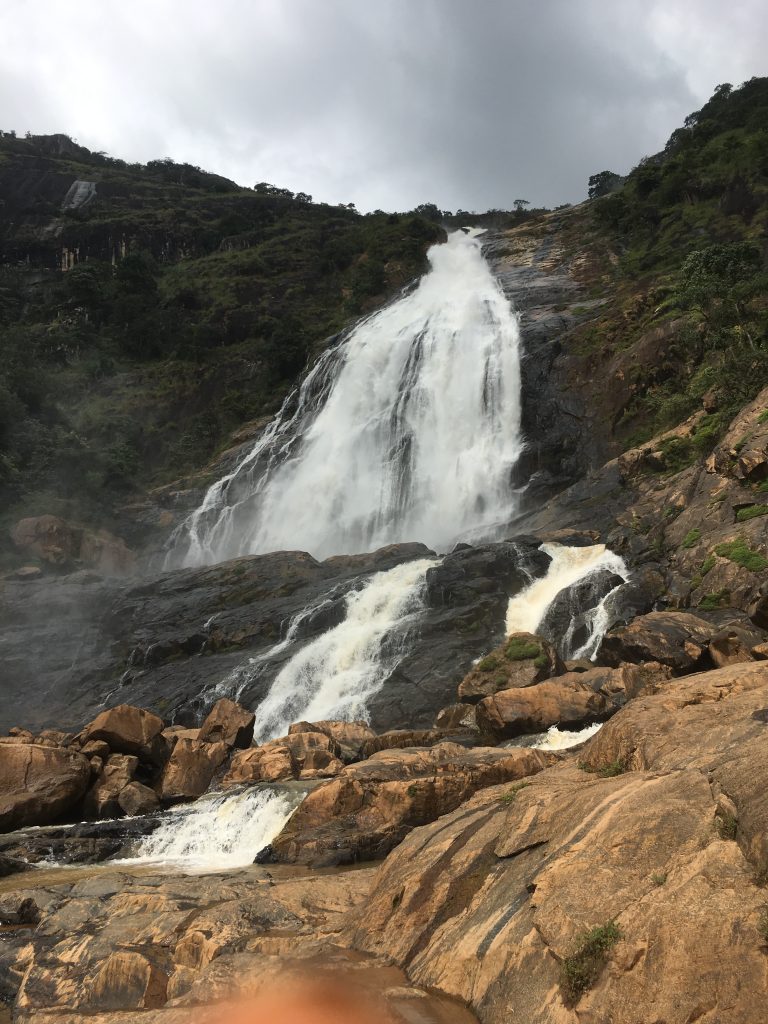
Farin Ruwa Waterfalls, located in Wamba Local Government Area of Nasarawa State, is one of Nigeria’s most majestic yet under-documented natural wonders. With a staggering plunge of approximately 150 meters, it surpasses many globally renowned waterfalls in sheer height. Yet, beyond its breathtaking spectacle, Farin Ruwa is a convergence point of ecological richness and cultural heritage. Its name, meaning ‘white water’ in Hausa, encapsulates the visual splendor of its cascading mist and reflects the deep connection between the site and the indigenous Kulere-speaking communities. Despite its significance, the waterfall faces threats from neglect, environmental degradation, and poorly planned tourism development. This article explores Farin Ruwa as both a natural and cultural heritage site, examining its historical background, environmental features, cultural landscape, and the need for inclusive, community-driven conservation strategies. It argues that safeguarding Farin Ruwa is not only about preserving a scenic landmark but also about protecting a vital part of Nigeria’s ecological and cultural identity.
1. Introduction
Nestled within the highlands of central Nigeria, Farin Ruwa Waterfalls cascades from the Jos Plateau into a lush forest valley in Wamba Local Government Area of Nasarawa State. Its imposing 150-meter drop, one of the tallest in Africa, has earned it the title of Nigeria’s hidden natural marvel. But the significance of Farin Ruwa extends far beyond its physical attributes. It is a site imbued with cultural meaning, environmental value, and historical depth.
The name ‘Farin Ruwa’, which translates to ‘white water’, reflects both the physical appearance of the waterfall and the cultural interpretation of its power and purity by the local Kulere-speaking communities. Oral histories, spiritual associations, and seasonal rituals underscore the centrality of this site in the life of the surrounding populations. While the colonial administration gazetted the surrounding forest as a reserve in the 1950s, meaningful conservation efforts remained sporadic until Nasarawa State was carved out in 1996.
This article seeks to position Farin Ruwa as both a natural and cultural heritage site deserving of national and international attention. By highlighting its dual heritage value, the article aims to contribute to discussions on sustainable conservation, cultural identity, and community-based heritage management in Nigeria.
2. Historical and Cultural Background
The Farin Ruwa Waterfalls hold deep historical and cultural roots that predate colonialism. The Kulere-speaking people, indigenous to the area, were the first to give the waterfall its evocative name. ‘Farin Ruwa’—Hausa for ‘white water’—captures the striking whiteness of the water as it plunges down the cliffs, creating a mist that can be seen from miles away. This name, though Hausa in language, was born out of local interpretation and has become the most widely accepted designation.
Historically, the surrounding forest of the waterfall was considered sacred. The Kulere people believed that spirits resided in the waters, and access to the falls was guided by spiritual norms and customary practices. Annual festivals were conducted in honor of the spirits believed to inhabit the waterfall. These rituals were often presided over by traditional priests who performed libations and offered sacrifices to ensure community protection and agricultural abundance.
During the colonial era, British administrators recognized the environmental uniqueness of the area and designated the surrounding forest as the ‘Mayes Forest Reserve’ in the 1950s. However, development around the site was minimal, and the local communities continued their traditional custodianship of the landscape. The creation of Nasarawa State in 1996 brought renewed, albeit uneven, attention to the site. While plans were made to develop it into a tourist attraction, limited infrastructure and inconsistent government will hindered its realization.
Today, remnants of these traditional beliefs persist among elder community members. However, urbanization, religious change, and generational shifts have eroded many of the cultural practices associated with the site. Nonetheless, Farin Ruwa remains a vital marker of cultural identity for the people of Wamba and surrounding areas.
3. Natural Heritage Significance
Farin Ruwa is not only culturally significant but also ecologically important. The waterfall, sourced from the Jos Plateau, descends over 150 meters in a thunderous cascade, one of the tallest natural falls in Africa. Its seasonal variation—peak flow during the rainy season from April to October and reduced flow in the dry season—creates dynamic ecosystems around its plunge basin and downstream.
The surrounding area is a biodiverse light forest, hosting over 2,500 birds across 148 species, including hornbills, kingfishers, and endangered birds of prey. These conditions make the area a hotspot for ornithologists and nature enthusiasts. Additionally, small mammals such as monkeys and antelopes, as well as various reptiles and amphibians, inhabit the forest.
The flora is equally diverse, with species ranging from economic trees like mahogany and iroko to medicinal herbs used by traditional healers. The ecosystem functions as a carbon sink and supports hydrological cycles crucial for the farming communities downstream.
Geologically, the area is part of the Jos Plateau escarpment, consisting of granitic rock formations that have shaped the waterfall’s dramatic plunge. These rocks date back hundreds of millions of years, and the geomorphological features are of scientific interest, providing valuable data on erosion, sedimentation, and tectonic activity.
Given its biodiversity, hydrological function, and geological value, Farin Ruwa can be considered a prime candidate for natural heritage designation under both Nigerian and international heritage frameworks.
4. Cultural Landscape and Community Identity
The cultural landscape of Farin Ruwa is an inseparable aspect of its heritage value. For generations, the waterfall has been woven into the socio-cultural fabric of the local people. It features prominently in oral histories, songs, folktales, and proverbs, often symbolizing power, purity, and divine presence.
Many elders in the surrounding villages recall stories of ancestors communing with the spirits of the falls. Traditional rites of passage—such as initiation ceremonies for boys and girls—were sometimes conducted near the site, believed to imbue initiates with strength and spiritual clarity. While many of these practices have faded, the symbolic association of the waterfall with purity and ancestral presence remains potent.
In contemporary times, the site plays an evolving role in fostering community pride and identity. Cultural festivals such as the Wamba Day Celebration occasionally include visits to Farin Ruwa, where community members perform dances, recite poetry, and celebrate their shared heritage. The site also serves as a location for educational excursions, youth empowerment programs, and small-scale tourism enterprises run by local guides.
Despite these initiatives, the community’s capacity to fully benefit from and protect the site remains limited. There is a growing awareness among locals that Farin Ruwa could become a cultural and economic asset if properly managed, but without external support and structured heritage policies, much of this potential remains untapped.
Preserving the cultural landscape of Farin Ruwa is not just about protecting a waterfall. It is about honoring a living tradition, recognizing indigenous knowledge systems, and promoting inclusive heritage management that values the role of communities as stewards of their environment.
5. Challenges to Preservation
Despite its significance, Farin Ruwa faces numerous threats that undermine its heritage value. One of the foremost challenges is environmental degradation. Deforestation, illegal logging, and unsustainable farming practices in the surrounding forest have led to soil erosion and biodiversity loss. The lack of regulated access also exposes the site to pollution, trampling of fragile vegetation, and littering by visitors.
Another major issue is infrastructural neglect. There is no formal road leading directly to the falls, making access difficult, especially during the rainy season. The absence of visitor facilities such as signage, rest stops, or safety railings not only limits tourism potential but also raises safety concerns.
Cultural erosion is also a critical challenge. As younger generations move away from traditional beliefs and languages, the stories, rituals, and identities tied to Farin Ruwa risk being lost. Without deliberate efforts to document and transmit these cultural values, the intangible heritage associated with the site may disappear.
Additionally, policy gaps and lack of legal protection compound the situation. Farin Ruwa has not been listed as a protected cultural heritage site under Nigerian law, nor has it been proposed for international designation like UNESCO’s World Heritage List. This legal vacuum allows for unregulated exploitation and weakens conservation efforts.
Finally, insecurity in parts of Nasarawa State has deterred researchers, tourists, and government agencies from consistent engagement with the site. Although Wamba LGA remains relatively stable, the general climate of insecurity in north-central Nigeria poses a latent risk to heritage conservation.
6. Conservation Strategies and Sustainable Heritage Management
To address these challenges, a multi-pronged conservation strategy is required. First, Farin Ruwa should be formally recognized as a heritage site under Nigerian law, and efforts should be made to nominate it for UNESCO World Heritage status. This would bring international visibility and potentially attract funding for sustainable management.
Infrastructure development must be prioritized, but in a way that aligns with environmental and cultural conservation. Eco-friendly access roads, interpretive centers, and trained local guides can enhance the visitor experience without compromising the site’s integrity. A portion of tourism revenue should be reinvested into community development, including education, health, and cultural preservation initiatives.
Community-based heritage management should be at the heart of conservation strategies. Local elders, youth groups, and women’s associations can be engaged in developing cultural programming, storytelling sessions, and annual festivals that showcase the living heritage of Farin Ruwa. Skills training for eco-tourism and handicrafts can provide alternative livelihoods and incentivize conservation.
Academic institutions and NGOs should collaborate on documentation projects to record oral histories, rituals, and ecological data. Digital platforms can be used to create virtual tours, educational materials, and awareness campaigns.
Finally, inter-agency collaboration among the National Commission for Museums and Monuments (NCMM), Nasarawa State Tourism Board, and the Ministry of Environment is essential. A joint task force could oversee policy development, coordinate stakeholder engagement, and monitor conservation benchmarks.
7. Conclusion and Recommendations
Farin Ruwa Waterfalls stands at the intersection of Nigeria’s rich cultural traditions and diverse natural heritage. Its roaring cascade, spiritual symbolism, ecological value, and scenic beauty make it one of the most significant yet underappreciated heritage sites in the country. As this article has demonstrated, the site embodies both tangible and intangible heritage—geological wonders and oral traditions, biodiversity and belief systems.
However, without strategic intervention, Farin Ruwa risks becoming a forgotten treasure. Environmental degradation, cultural erosion, infrastructural neglect, and weak policy frameworks must be addressed through inclusive, sustainable, and community-led strategies. Formal recognition at national and international levels, coupled with investment in eco-tourism and cultural programming, can transform the site into a model of heritage conservation in Nigeria.
It is time for policymakers, researchers, local communities, and heritage professionals to come together and preserve this majestic waterfall—not just for its natural spectacle, but for its deep cultural resonance and the future generations it stands to inspire.